
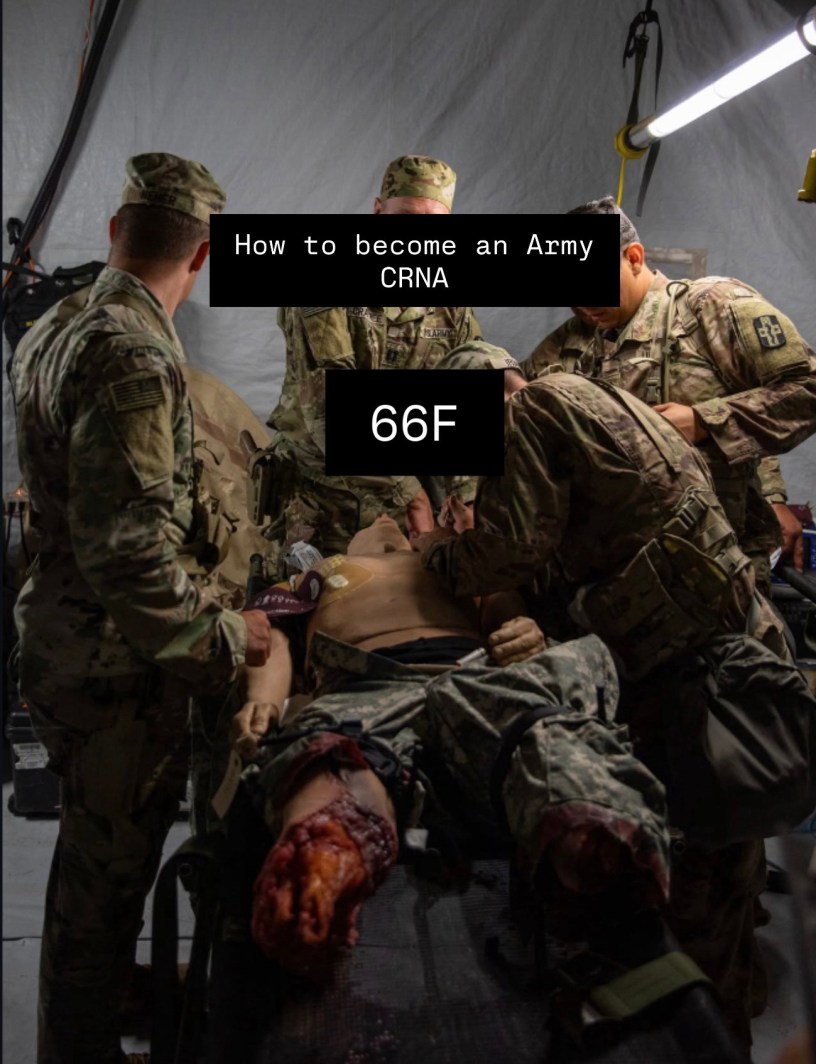
Becoming a CRNA, whether through the military or civilian path, is a highly rewarding career. There are resources all over the internet and countless opinions about the best approach or what the necessary requirements are. The following information is pieced together from multiple current CRNAs and SRNAs.
Please reach out on the Next Generation Combat Medic Discord and message “Bakedgoods” if you have any further questions this article didn’t answer.
What do I need to apply to CRNA School? (Civilian and Military)
- BSN Degree
- Minimum 1 year of experience in a busy ICU (some schools take 6 months). Some take only ICU time so plan ahead, although USAGPAN mentions critical care nursing besides ICU under section 2, “provided they can demonstrate competence with managing unstable patients, invasive monitoring, ventilators, and critical care pharmacology.” If you’re not honestly getting high volume experience outside of the ICU, or going to a different program that does accept non-ICU, then you need to prioritize getting those things in the ICU.
- There are differing opinions on the perfect amount of ICU experience that is necessary to be successful. Every individual learns at a different pace. Ultimately it is up to you, but remember, you will pull from your experiences at bedside to manage situations during the perioperative period.
- American Association of Nurse Anesthesiology Website:
- CCRN certification (helps but not always required, check the school’s requirements).
- It is important to read the school’s website for specific requirements. Below is the USAGPAN’s website.
- https://armydnp.nursing.baylor.edu/2026-cohort-application-requirements
What is a path from Medic or Non-Medic?
- Any individual who wants to become a CRNA must first become a BSN prepared Registered Nurse.
- For Active Duty, you can apply to the AMEDD Enlisted Commissioning Program (AECP) to make that step.
- To break it down, you would need to go to nursing school for your BSN and then spend at minimum, 1 years’ experience in a busy ICU before you’ll be able to apply for CRNA school.
- Most schools require you to take the GRE (there are some that don’t) and have other science pre-requisites such as Biostatistics or Organic Chemistry. Specific requirements depend on the schools you are applying to.
- Find a mentor, shadow some CRNA’s, make sure this is what you want to do as it is a long path. Time will pass by regardless of what you do, but it’s not a short path so make sure the switch is what you want to do. Most hospitals have plenty of shadowing opportunities if you reach out to the Anesthesia department and CRNAs are generally happy to speak about our profession.
How do I stand out?
- Time in service helps. If your packet doesn’t have as much as other individuals in one area such as this, then try to compensate by strengthening other areas.
- Don’t worry if you have to be a direct commission, this does not hurt your chances.
- Experience (High degree of importance)
- Trauma level 1; Trauma ICU, CVICU, NEURO, BURN
- The type of unit does not matter, just want high acuity and sick patients.
- They’ll want to know about complex patients you’ve had, how you advocate for them, interventions you’ve made or why interventions were ordered, how did you react and what did you do when something went wrong.
- Know what medications you give often, why you give them, dosages, contraindications, and adverse reactions.
- A common question is asking what the hematocrit should be if your hemoglobin is 6? This is a 1:3 ratio, meaning if your hemoglobin is 6 then the hematocrit should be 18. Understand similar processes, the values and “why” behind them.
- Critical thinking skills! Be able to reason through situations that you are familiar with at bedside.
- GRE/GPA/CCRN (CCRN not super important but does help)
- GRE may be optional at this point, but some recommended resources for studying: The 5LB Book, Magoosh, GRE for Dummies.
- Do not join the military as an RN thinking this will help you stand out, some recruiters will tell you that this will improve your chances, but it absolutely does not and could end up delaying your entry.
- Leadership roles at work and/or military unit.
- Shadowing
- You will be set up with someone to shadow with through the program as part of your interview process so don’t go overboard on shadowing hours.
- Helpful to gain an understanding of what CRNA’s do and hear the experience of those in the shoes you want to fill.
- Strong letters of recommendation.
- If you are already in the military, having strong letters from your leadership or seniors is helpful.
- At the end of the page are two examples of strong letters.
How do I strengthen my packet if I didn’t get in the first time?
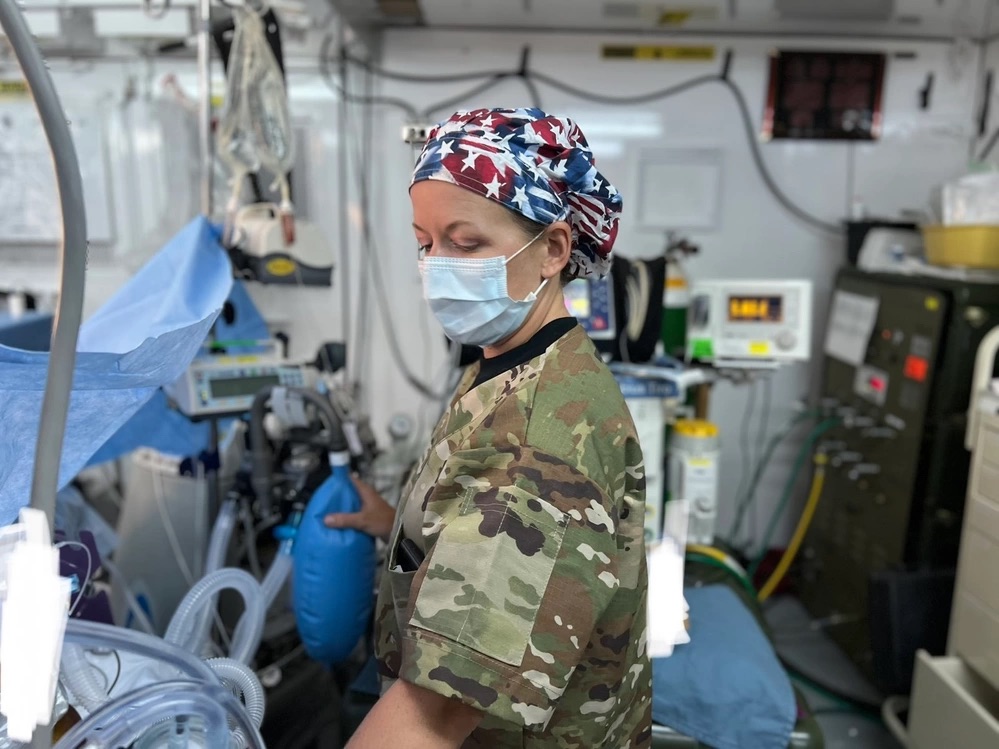
- The interview process is extremely important, if you did not get in the first time, then you need to reflect on your interview and figure out where you can improve.
- You will have 3 days of shadowing and on the 3rd day will be your interview.
- Remember that throughout the entire interview process you are being assessed. Make a great first impression.
- You are judged on how you ask questions, how you answer questions, and how you interact with everyone. Everyone includes patients, surgeons, anesthesia staff, nurses, etc.
- Will be asked how your interview day went and what your reflections on the day were.
- Answer every question that you can and admit when you don’t know the answer. Do not try to bullshit your way through because they will know. If you do not know something, just tell them you’re not sure but will look it up and get back with them.
- Improve your RN experience. Find a busier hospital/ICU. Take on more critical patients and expand your nursing practice. Know everything you do and the rationale for why you do those things.
- Attitude is everything.
- Maintain a growth mindset.
- If something goes wrong, think “How can I improve from this?”
- Ask questions about how to improve, how to make sure whatever mistake does not happen again, etc.
- Keep a good attitude and mentality. This is important not only for getting in, but also for your academic and professional career, as well as how you speak to patients.
- Anesthesia guidebook podcast episode on Growth Mindset: https://anesthesiaguidebook.com/tag/growth-mindset/
- Maintain a growth mindset.
What is the daily routine throughout the US Army Graduate Program in Anesthesia Nursing?
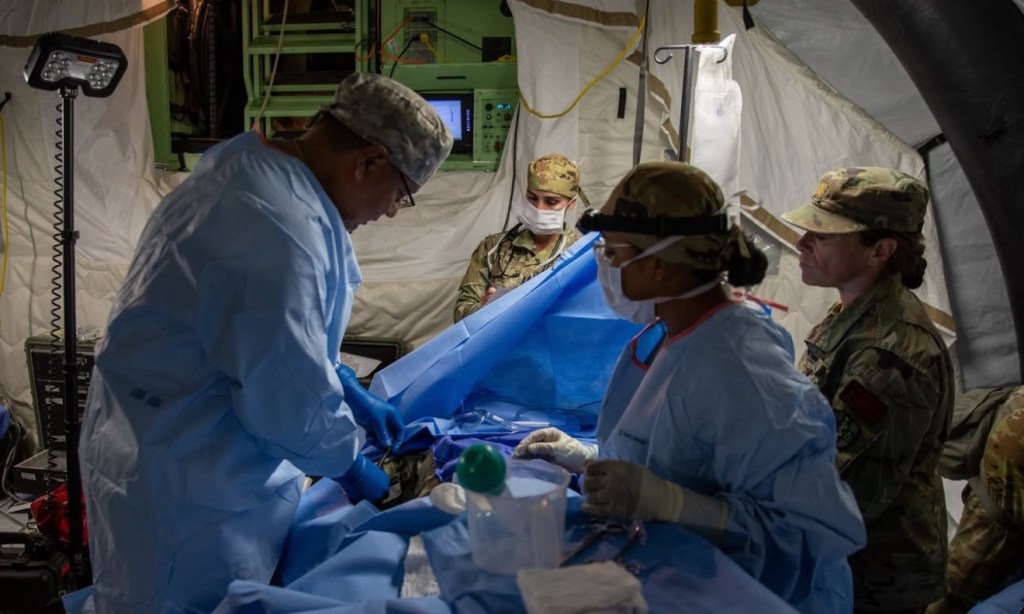
- Didactic (Phase 1): Just like any other program, depends on how much you personally need to study to succeed. Class usually 0800-1500/1700
- Time commitment and amount of work, depends on you.
- Clinical (Phase 2):
- Clinical sites tentative, some are assigned based on family priority, you are notified by October of the first year where you are going.
- 1st six months suck because you show up at 0400 to be ready for you case and then at 0600, you participate in daily rounds.
- Daily rounds is where one of the students, determined randomly, present their case for the day in detail (What the case is, patient comorbidities, anesthesia plan and considerations). This is done in front of the entire anesthesia department.
- You will eventually get used to this and won’t have to show up so early, but it will take time.
- Be prepared and be on time!
- Extremely stressful at first.
- You will start clinicals out and build trust, eventually doing whole cases on your own as you get closer to graduation.
- You will learn what is safe and what is not in morning rounds.
- This will get better as time goes by and you become knowledgeable, but they will question you as you present.
Letter of Recommendation Example 1: (Do not copy and paste, use as inspiration.)
Dear Admissions Committee,
I am writing to highly recommend [Applicant’s Name] for admission to your Nurse Anesthesia program. As chief CRNA of the [Insert Unit], I have had the privilege of closely observing [Applicant’s Name] professional journey and can attest to his exceptional qualities, both as a healthcare professional and as an individual committed to serving his community and country.
[Applicant’s Name] is the epitome of an ideal candidate for your program. His technical proficiency, coupled with extensive experience equip him with the necessary foundation to excel in the demanding field of Nurse Anesthesia. His dedication to continuous learning and professional growth is evident in his pursuit of excellence in every aspect of his work.
What truly sets [Applicant’s Name] apart is his unwavering commitment to service, both within the healthcare sector and beyond. He actively engages in numerous charitable works within the community, demonstrating his compassion and empathy towards those in need. His altruistic nature not only reflects his innate character, but also underscores his understanding of the broader impact of healthcare professionals on society.
Furthermore, [Applicant’s Name] is an exceptional Army officer, embodying the core values of integrity, duty, and selfless service. His outstanding leadership skills, coupled with his ability to effectively collaborate within diverse teams, have consistently earned him the respect and admiration of his peers and superiors alike. He approaches every task with diligence, dedication, and a profound sense of responsibility, ensuring successful outcomes even in the most challenging circumstances. I am confident that [applicants name] will bring immense value to your program, not only through his academic prowess and clinical proficiency, but also through his exemplary character and dedication to service. He possesses all the qualities essential for success in a Nurse Anesthesia program and will emerge as a compassionate and highly skilled CRNA, contributing significantly to the field of healthcare.
In conclusion, I wholeheartedly endorse [Applicant’s Name] for admission to your Nurse Anesthesia program, and am optimistic about the invaluable contributions he will make as a future healthcare leader. Please feel free to contact me if you require any further information regarding his qualifications or character.
Thank you for considering [Applicant’s Name] application. I have confidence that he will excel in your program and continue to make a meaningful difference in the lives of others.
Letter of Recommendation Example 2:
Dear Admissions Committee,
It is with enthusiasm and confidence that I recommend [Applicant’s Name] for admission to the United States Army Graduate Program in Anesthesia Nursing (USAGPAN). As the Chief Nurse Anesthetist of the [Insert Unit], I have had the privilege of serving alongside [Applicant’s Name] and observing first hand his exceptional qualities as a nurse and leader.
[Applicant’s Name] consistently demonstrates a level of professionalism and dedication that exceeds the high standards expected of Army nurses. His clinical expertise includes managing critically ill patients, interpreting complex data, and delivering advanced care with precision and compassion. While he has not yet deployed, I am confident he will excel as a leader in challenging environments, given his proven ability to adapt and perform under pressure. Additionally, his contributions to implementing Evidence-Based Practices and mentoring new service members highlight his commitment to fostering a culture of excellence and safety.
In addition to his clinical skills, [Applicant’s Name] exemplifies the core values of the Army. He is a natural leader who fosters teamwork and inspires confidence in those around him. His intellectual curiosity and drive for lifelong learning align seamlessly with the rigorous demands of USAGPAN.
In conclusion, I wholeheartedly endorse [Applicant’s Name] for admission to USAGPAN. His outstanding clinical performance, leadership abilities, and unwavering dedication to patient care make him an ideal candidate for this esteemed program. He has my highest recommendation without reservation.
Should you require any additional information or have further questions regarding [Applicant’s Name] qualifications, please do not hesitate to contact me.
Let us know what other questions you have.
If you’re a military CRNA (66F), let us know what you would add or how your path differed.
Remember, if you have more questions, check into our Discord to discuss this with our Military CRNA’s.
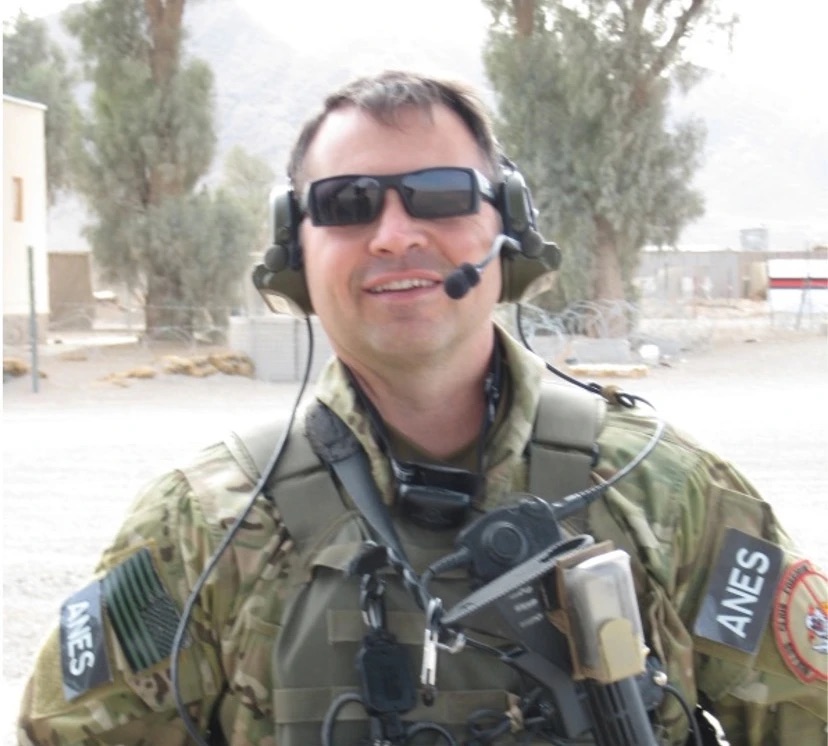
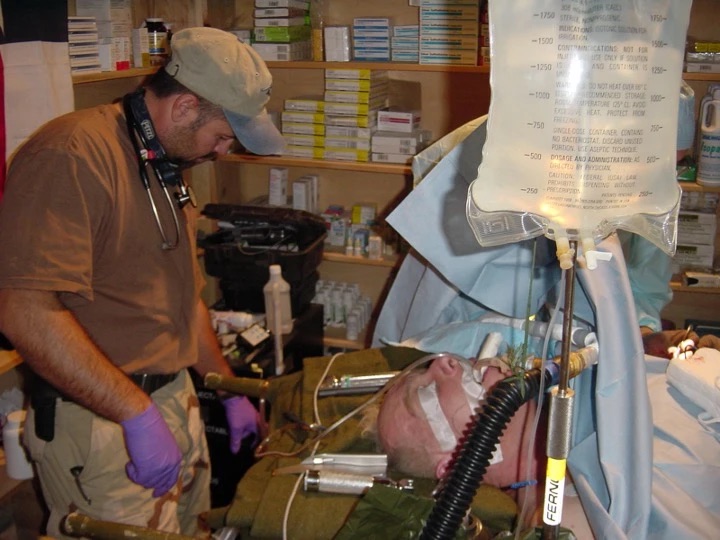
If you want to learn about what some of the great Army CRNA’s have done before you and just some of the opportunities available then check out this Wardocs podcast from Jim Reed (LTC, Retired) and his time in special operations:
 Next Generation Combat Medic