Next Generation Combat Medic

Knowledge Weighs Nothing in the Rucksack

Welcome to Next Generation Combat Medic

“The only way to impact more patients than by your hands alone is through the hands of other medics.”

Latest Posts

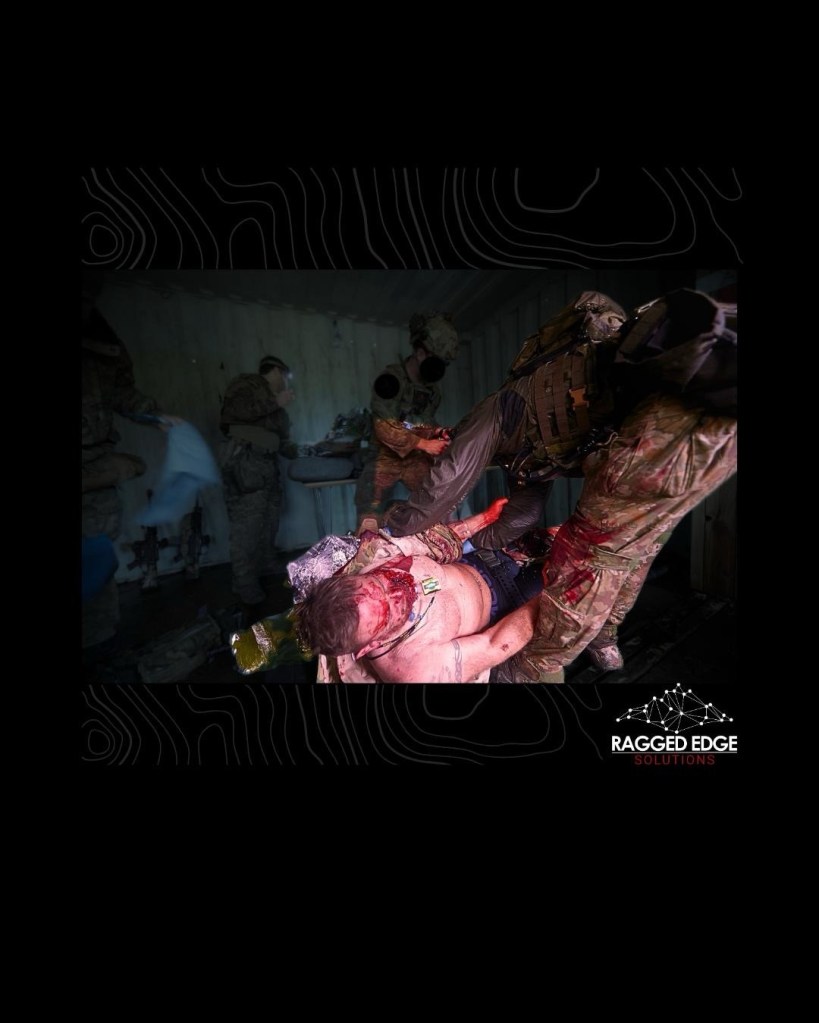
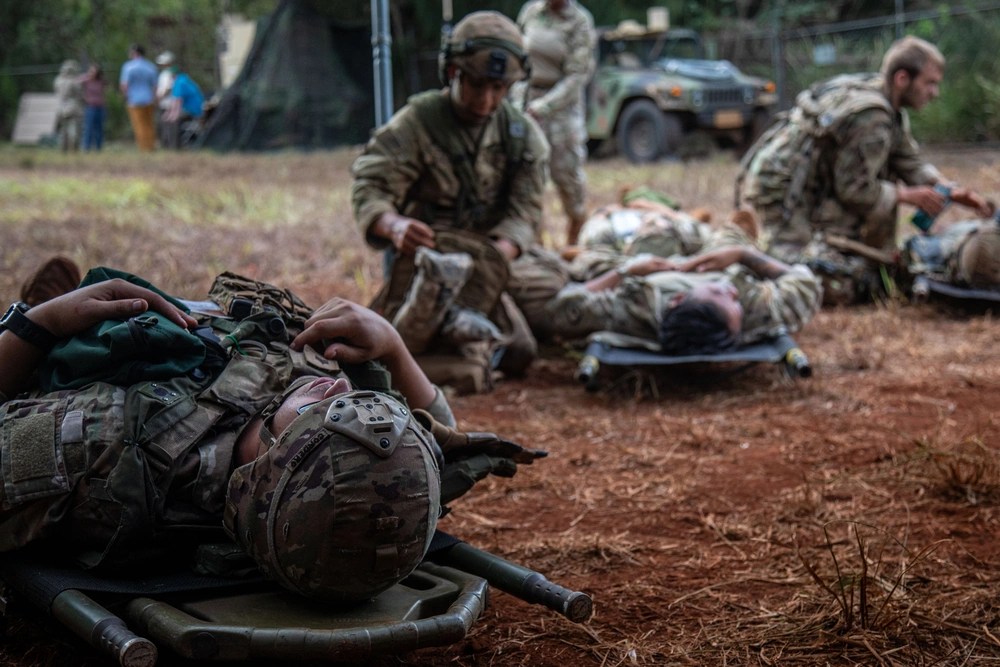
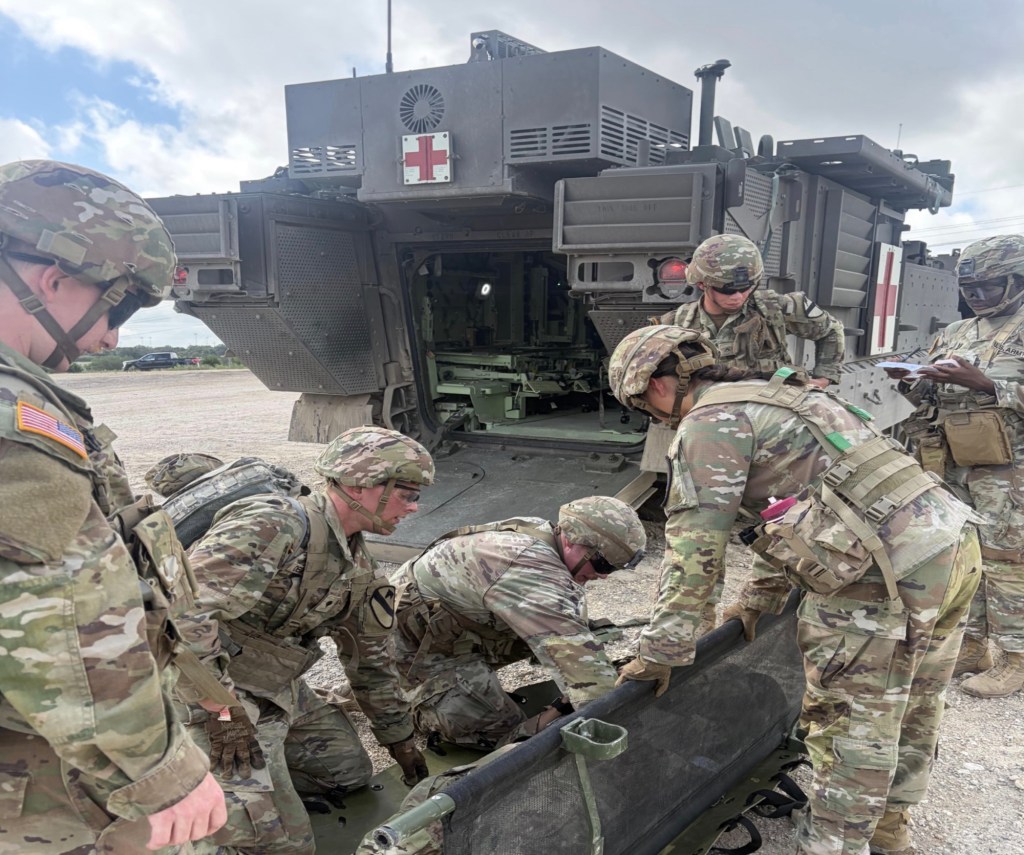
Guide to running Prolonged Casualty Care Training by Ragged Edge - Ragged Edge guide to designing and running a prolonged casualty care exercise at the unit level.
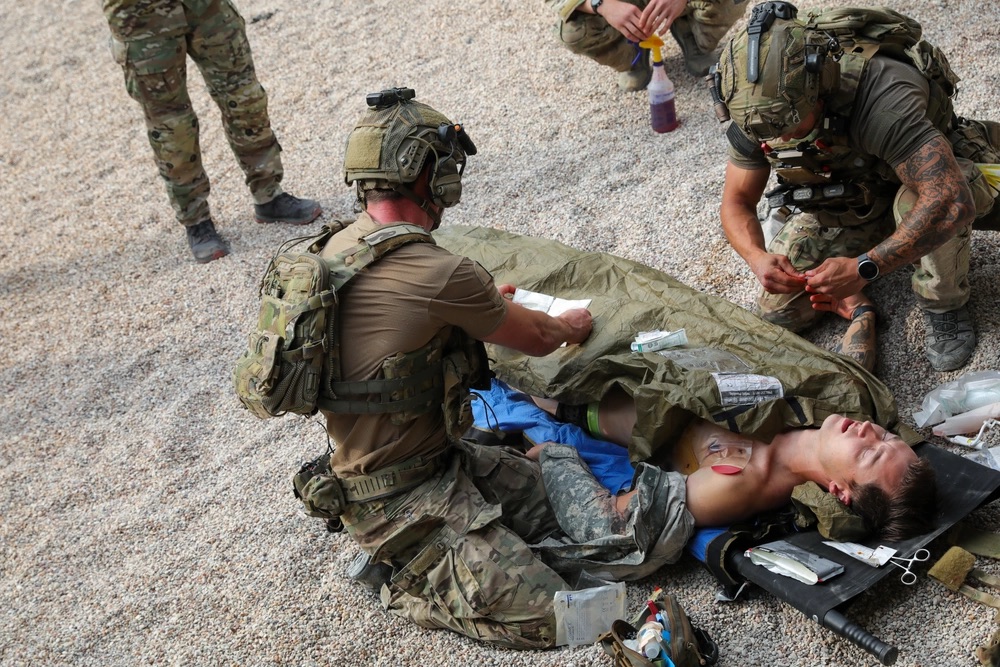
Enhancing TCCC through Optimized Simulation - A guide on how to teach better TCCC and run trauma lanes through designing patients, scenarios and providing feedback.
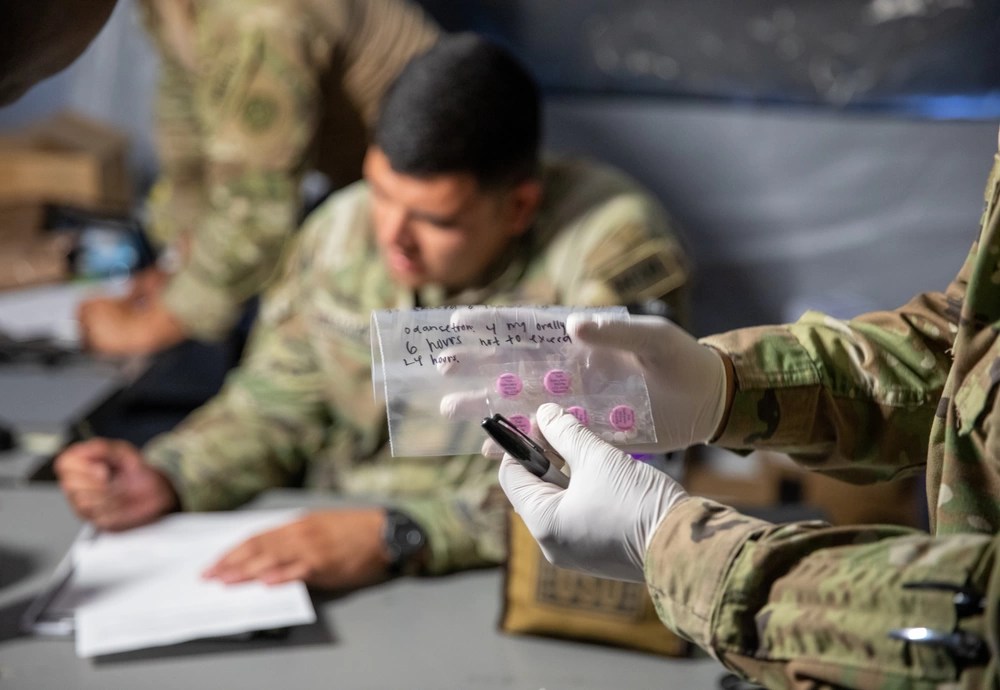
Combat Medic preparing medication in Sick Call Enabling Medics to manage Sick Call - Guide for PA’s and Senior Medics on improving Sick Call operations within their unit.
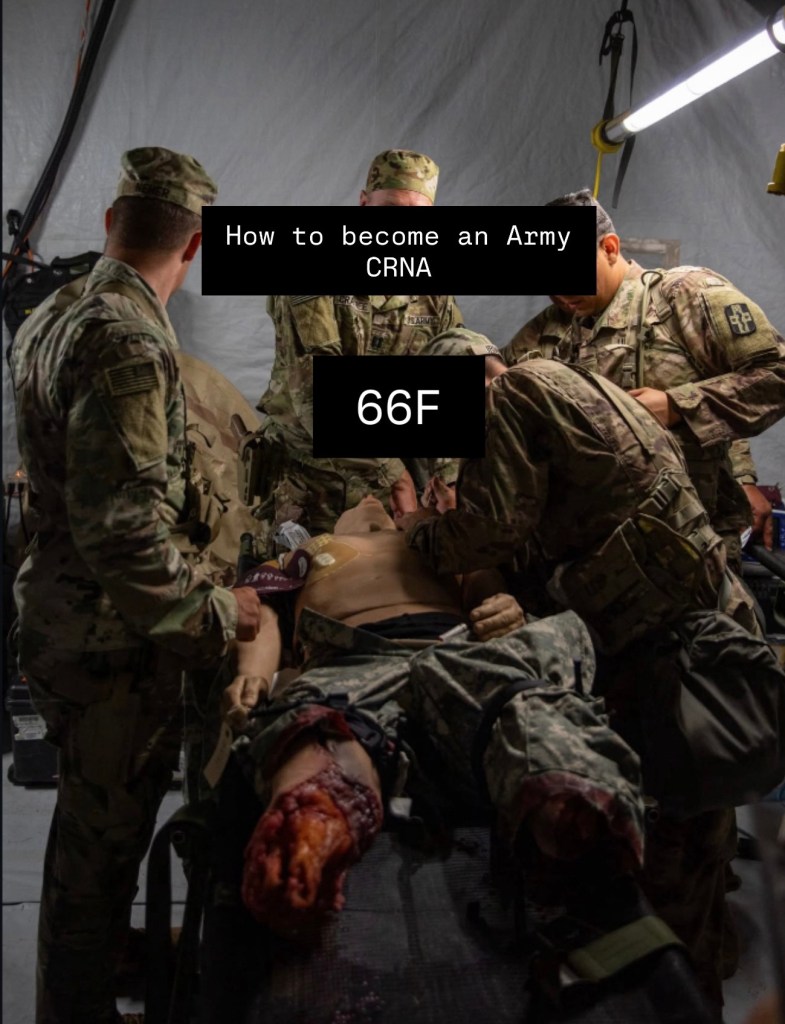
How to become an Army CRNA - Guide to help shine some light on becoming an Army CRNA 66F
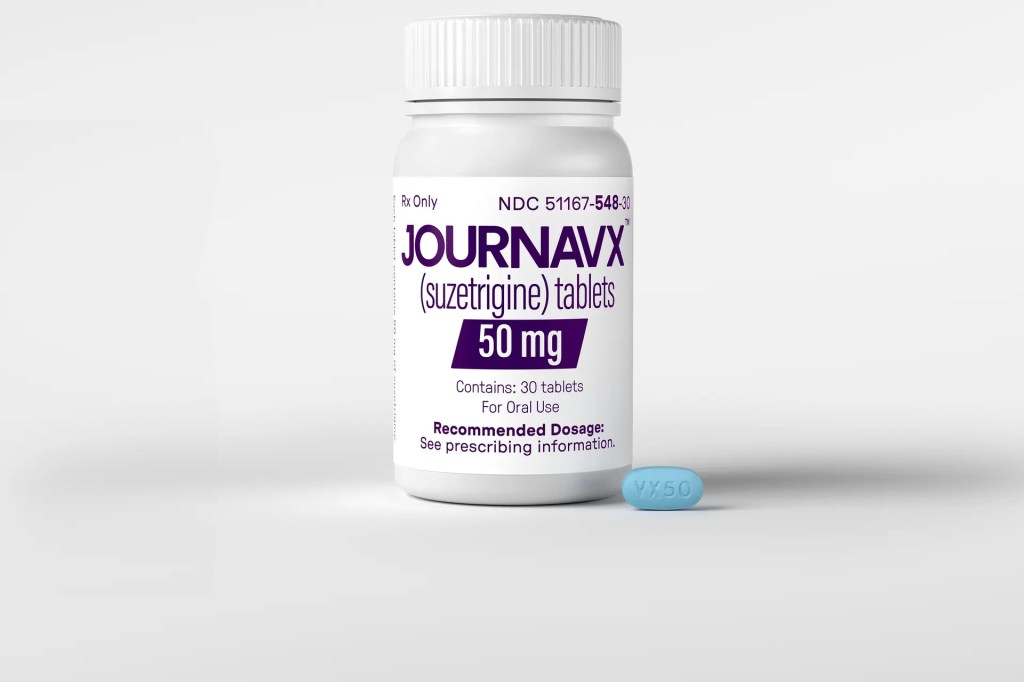
Anti-venom research: A response to the venomous article by The Guardian and TBIJ - The intent of this article is to affirm to military providers and medics that the JTS Envenomation CPG and Antivenoms it suggested are efficient and data backed. We remind medics to be cautious of medical claims with no supported evidence. Recently, The Guardian & TBIJ articles collaborated with a scientist (Not Doctor), Juan Calvete, who […]
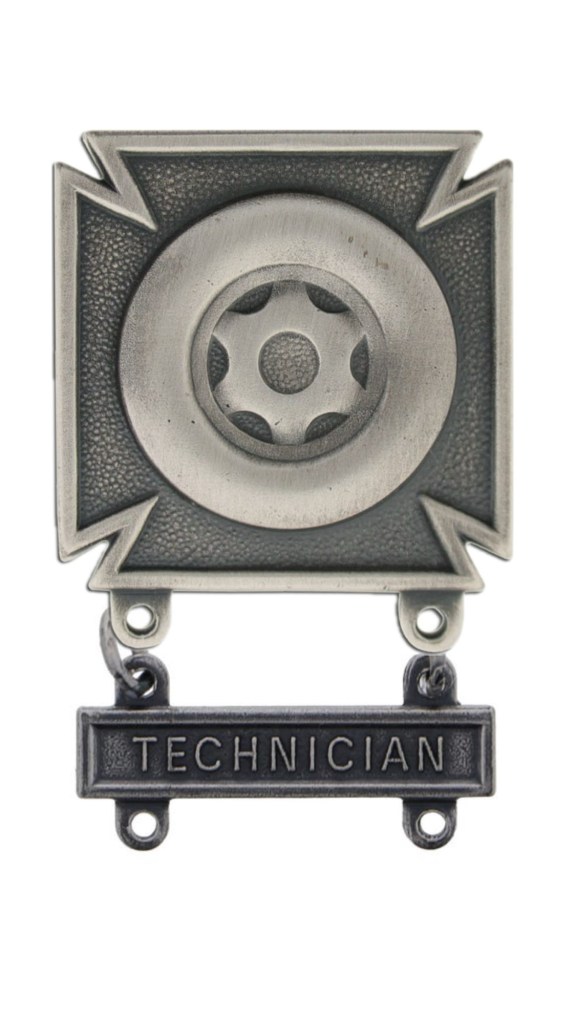
Technician Badge for 68W – How to get yours: - Explanation of what US Army Technician Badge is and how medics can get it.
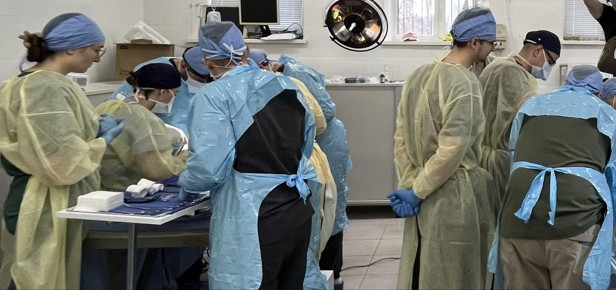
Cricothyroidotomy Training Guide for Military Medics: Ragged Edge of the Scalpel - Cric Training Guide for Military Medics and their Instructors
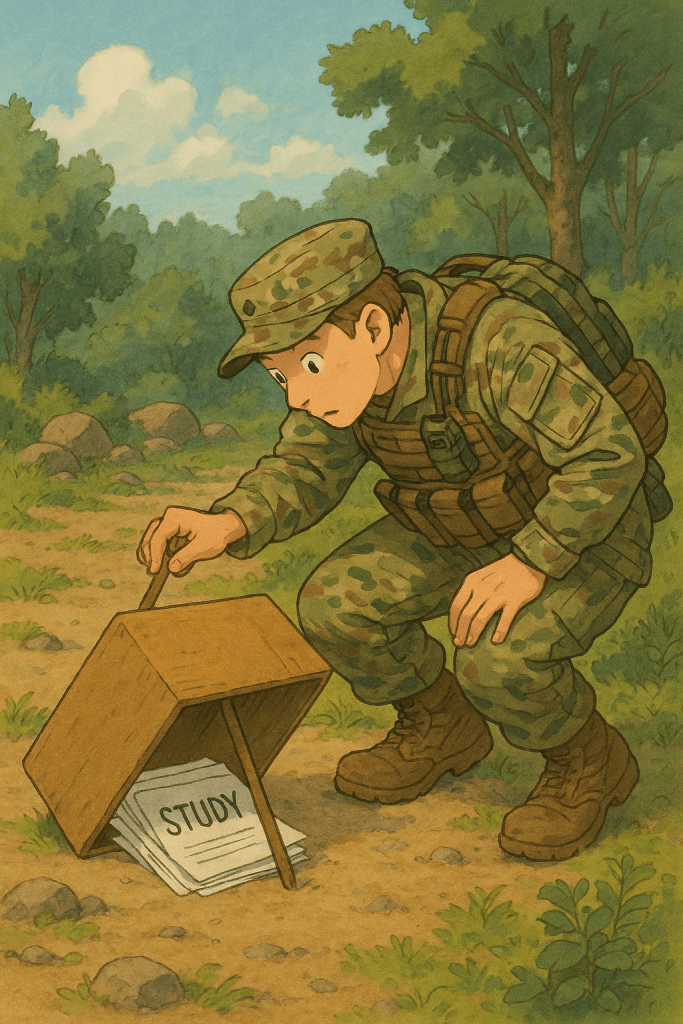
Evidence Under Fire: Military Medics guide to evaluating research - This guide is for helping medics learn to look at studies.
CTC Medical Survival Guide - This guide is mainly for medical Senior NCO’s and Officers to prepare their unit for a more successful CTC rotation (and subsequently, a deployment) while avoiding common mistakes. Junior 68W may gain information from this to prepare themselves, but success will come from getting your unit involved in training. “How could I better prepare for […]
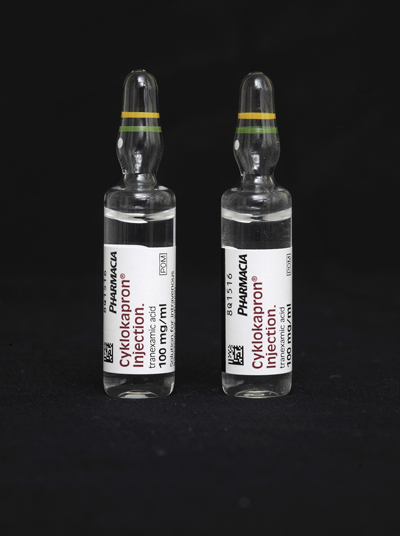
Tranexamic Acid - All about TXA - A guide for medics
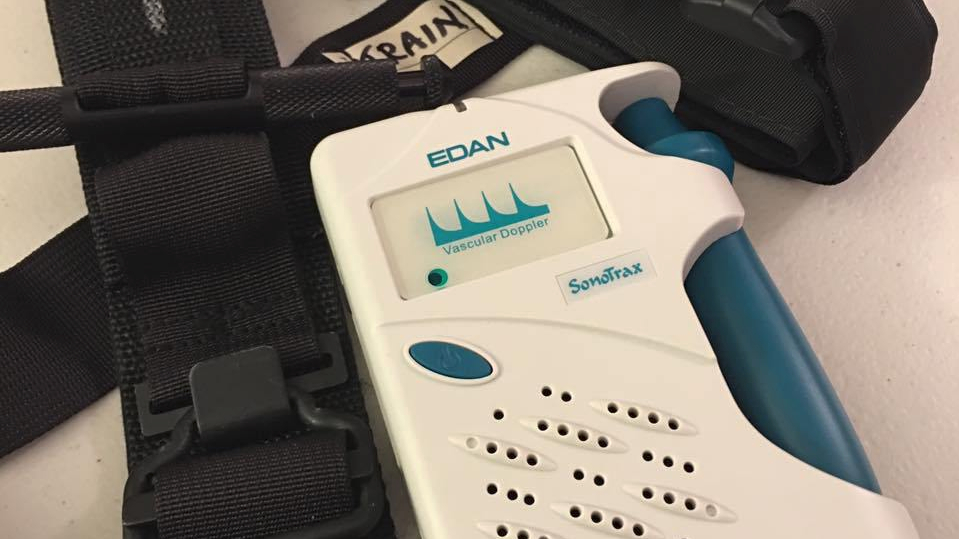
doppler tourniquet CAT SOFT-TW SOFT-T TQ ultrasound artery arterial fetal cheap inexpensive testing technology Do you use a Doppler for Bleeding Control Training? - Control of massive bleeding is all about achieving occlusion of the artery. This is the most important skill we can master as combat medics. Hemorrhaging is the leading cause of death on the battlefield, so we shouldn’t focus on airway, respirations, needle decompressions or other “sexy” interventions until we absolutely have “M” in MARCH mastered. […]
Treating TBI from the Aid Bag - A medics guide to treating TBI with their Aid Bag.
What if you didn’t have Ketamine as a 68W Combat Medic? - A basic guide for exposing combat medics to pain options beyond Ketamine, if they are prepared for it.
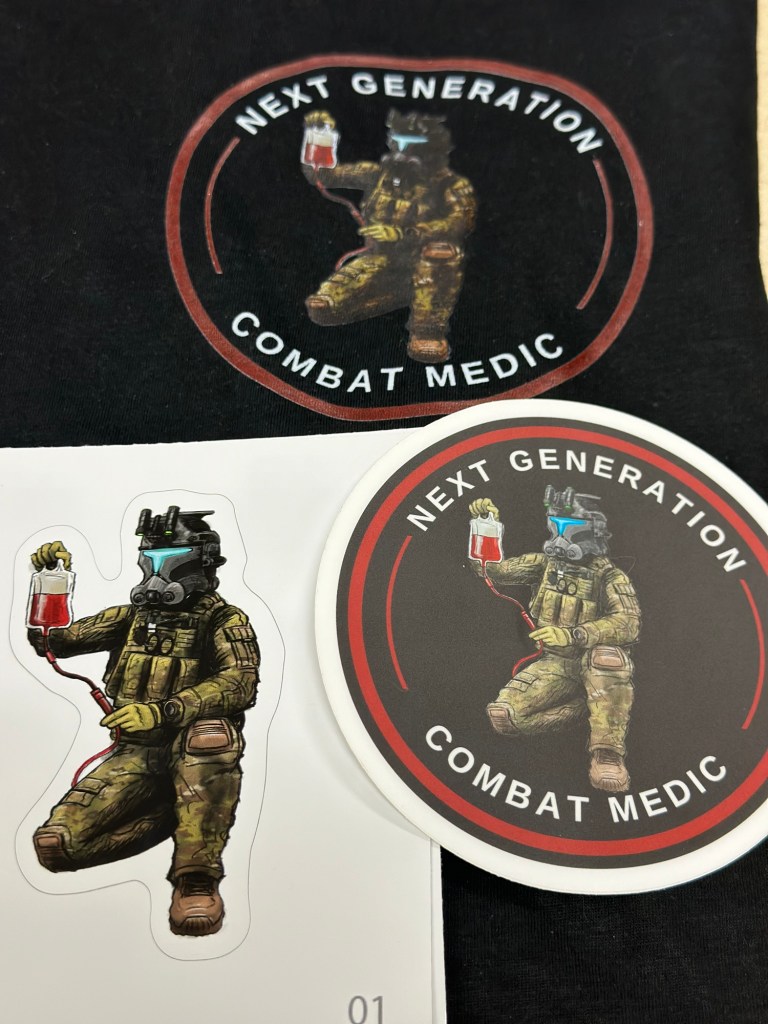
Shirts & Stickers now available - Shirts and stickers now available. More coming!
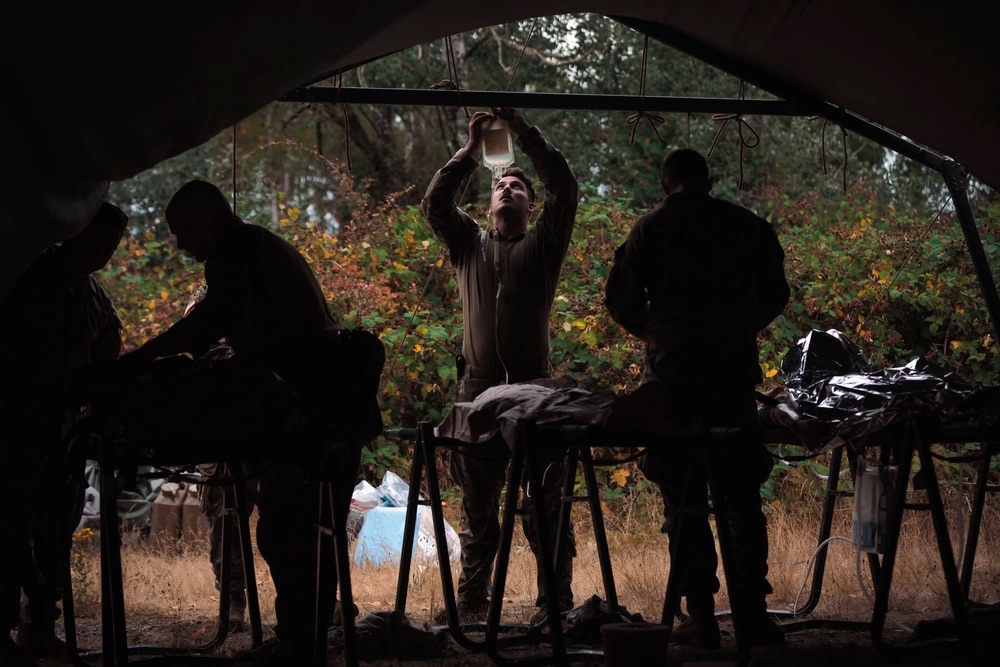
Prolonged Care in Large-Scale Combat Operations: A Call for Enhanced Training and Resources - As military operations evolve, the challenges of providing effective casualty care and evacuation during large-scale combat operations become increasingly apparent. The devastating consequences of inadequate medical treatment can lead to catastrophic losses, underscoring the urgent need for a comprehensive approach to prolonged care in the battlefield. The U.S. Army’s Combat Medics, designated as 68Ws, play […]
A Lost Opportunity - A must read article for TCCC Instructors on how common mistakes ruin training.
Discord and Google Drive! - Our Google Drive, Discord, Social media and merch
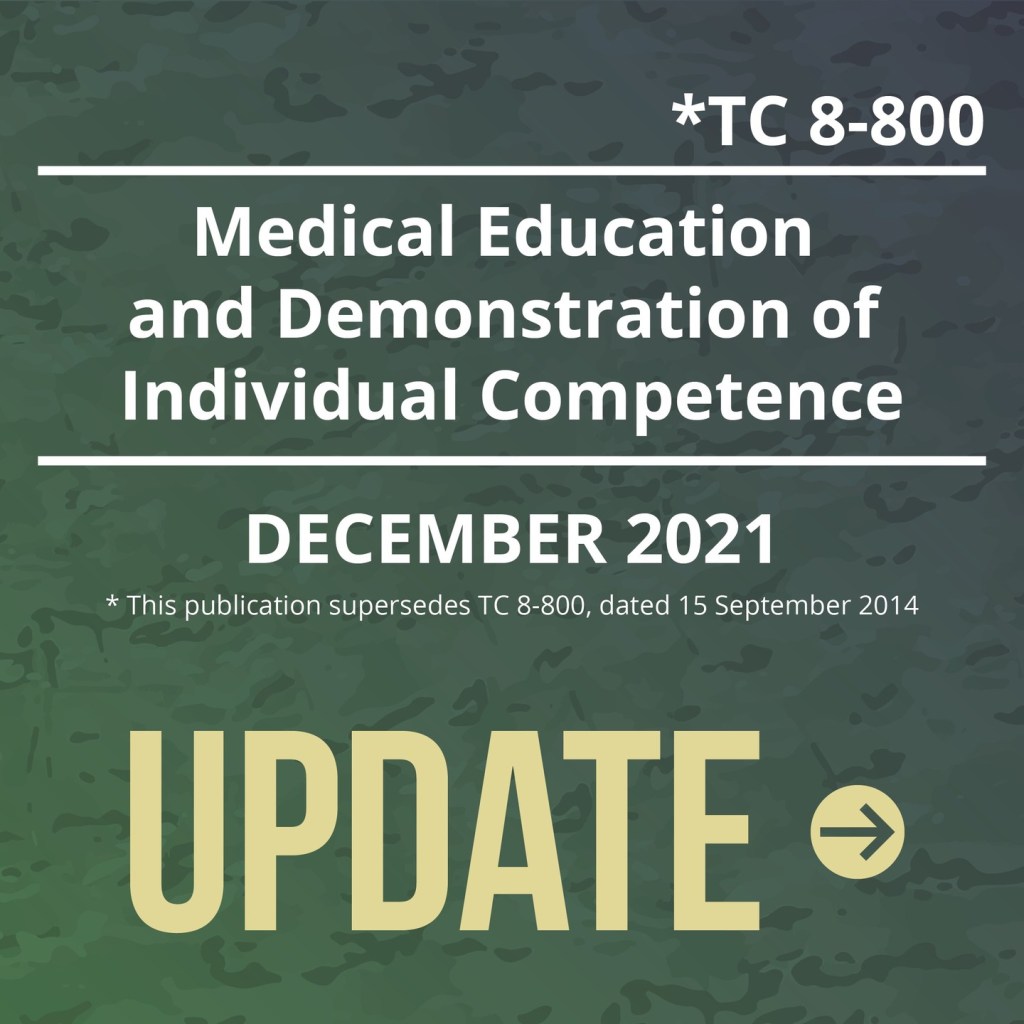
TC 8-800 MEDIC 2021 Update - The new version of TC 8-800 cuts out nearly 100 pages to distill a clear message for medics, NCOs, and officers: train to the modern standard of medicine. The TC clearly orders the training priorities: 1. TCCC – While trauma is only a small percentage of the patients we will treat, it constitutes the most […]
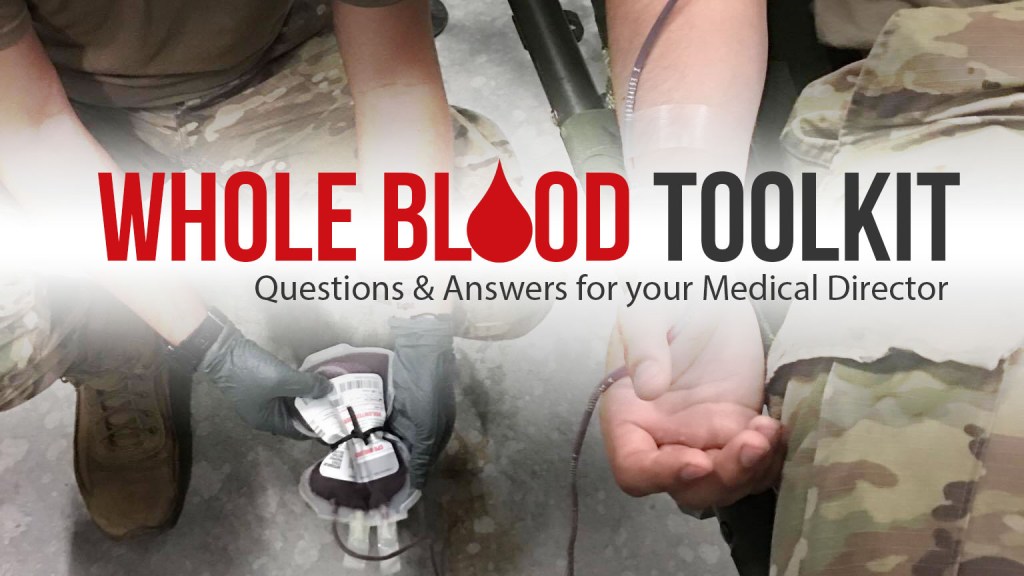
Whole Blood Toolkit: Questions & Answers for your Medical Director - A guide on Whole Blood Transfusions for Military medics
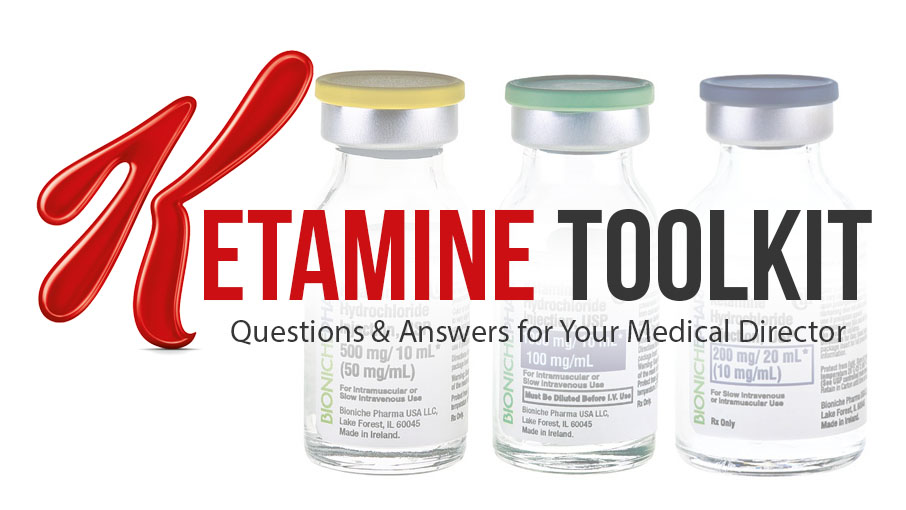
Ketamine Toolkit: Questions & Answers for your Medical Director - The goal of this page is to give the medic a resource for engaging with their battalion PA or Surgeon regarding the use of ketamine.
Next Gen Shorts: Is physical exertion after whole blood donation safe? - Welcome to “Next Gen Shorts”, where we look to take a recent studyfocused on military and prehospital medicine, and condense it into a quickmanageable read to ensure you get what’s most important for your practice. Today’s paper is on the safety of physical exertion following whole blooddonation. The Background: The employment of whole blood (WB) […]
Medic Professional Development Program - Medics and corpsmen receive a fire hose of basic medical knowledge during their initial training. However, you can only learn and retain so much in a condensed military course. This weekly learning plan focuses primarily on anatomy, physiology, and pathophysiology as the foundation for all other medical knowledge.
Next Gen Shorts: does the use of ketamine in suspected TBI increase mortality? - Welcome to “Next Gen Shorts”, where we look to take a recent studyfocused on military and prehospital medicine, and condense it into a quickmanageable read to ensure you get what’s most important for your practice. Today’s paper discusses whether the use of ketamine in prehospital trauma increases patient mortality. The Background: Ketamine is well-known as […]
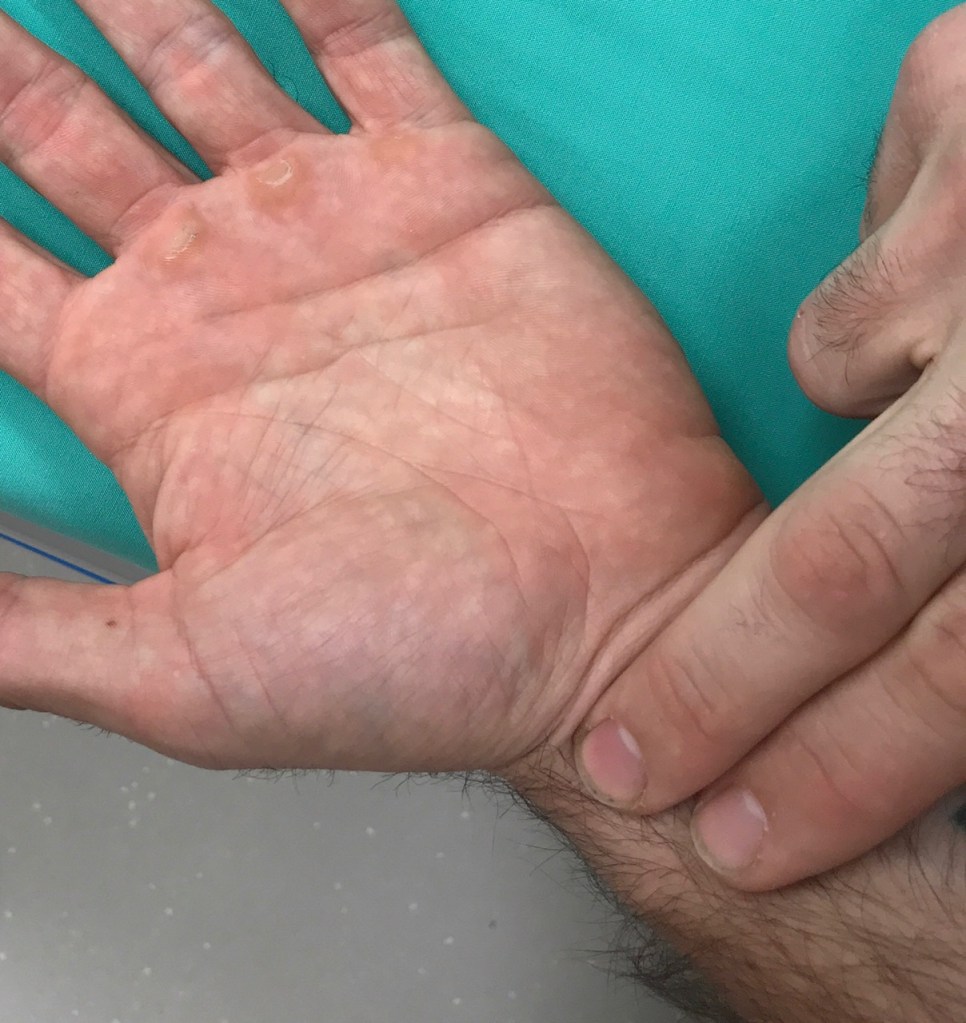
Next Gen Shorts: Is palpable radial pulse a good estimate for systolic blood pressure? - Welcome to “Next Gen Shorts”, where we look to take a recent study focused on military and prehospital medicine, and condense it into a quick manageable read to ensure you get what’s most important for your practice. Today’s paper is on the utility of radial pulse palpation for estimating systolic blood pressure. The Background: Blood […]
Where do anecdotes fit into evidenced based medicine? - By Jonathan C. Johnson and Andrew D. Fisher The internet and social media forums of which have become our greatest ally have begun to transform into an equally great adversary.  This system seems to be designed and masterfully perfected to allow for experts and novices alike to come together and discuss controversial topics, while promoting […]
Malaria: A Scientific Introduction - In 2018, malaria-infected an estimated 228 million people, killing over 400,000, disproportionately affecting the young and the poor (World Health Organization, 2019). Malaria is endemic to tropical and subtropical regions of the world, including parts of sub-Saharan Africa, Southeast Asia, and Central and South America (Suh, 2004). In 2003, the World Bank estimated that the […]
SOF PROVIDER COVID-19 RESPONSE - https://bit.ly/2yDZSkR 5 APR 2020 REQUEST FOR SOF MEDICAL PROVIDERS SOF Friends and Other Military and Civilian Medical Providers and Medics, New York City is past the breaking point. The hospitals are truly overwhelmed. Besides the 5,000 beds or so being put in and around the city as field hospitals in field conditions, the major hospitals […]
How to Get Free Medical Resources Through AMEDD Virtual Library - As a member of the United States Army, you have a wealth of educational resources available to you. A great example is the Army Medical Department’s Virtual Library (AVL). The AVL links to a wide array of medical references and educational resources for medical providers of all levels. Here is how you can sign up […]
Pelvic Binders in Trauma Resuscitation - Originally posted on FOAMfrat: https://www.foamfrat.com/single-post/2018/09/05/Its-All-In-The-Hips Pelvic fractures (PFs) can be one of the most devasting injuries. They can happen with simple falls in the elderly to the more prevalent young males involved in high energy motor vehicle accidents (MVA). PFs that arise from falls tend to be less severe as those in high energy trauma. […]
14 Medical Lessons Learned from The Battle of the Black Sea that are Still True Today - Medical lessons learned have a habit of fading from memory as wars draw to a conclusion. Valuable knowledge can be lost if these hard earned lessons aren’t passed down to new providers. Below are 14 lessons learned from the 1992 battle which occurred in Mogadishu, Somalia, known today as the Battle of the Black Sea. […]
Failure to Comply: Why Aren’t We Keeping Up? - TCCC standards are not secret. TCCC standards are not optional. Why then is compliance with TCCC standards so poor?
High and Sick: Altitude Illness - Note: types and dosages of medication used to treat altitude illness will be determined by your organization’s guidelines as authorized by your physician oversight. While this article does list medication doses, refer to your local treatment protocols for all care. You and your team are conducting patrol operations on Mount Rainier (14,411 ft summit), a […]
Chemical Agent Casualty Recognition Simplified - Recognition of exposure is the first step in the management of casualties exposed to chemical agents. As rapid recognition is essential for rapid implementation of appropriate therapy, cognitive processes to streamline presumptive diagnosis need to be considered.
Train With Your Food: The Chicken Thigh Abscess I&D Trainer - As we’ve previously described, medical simulation equipment, while having a place in training, can be expensive and therefore unobtainable for units with a tight budget.  Not wanting to deprive medics of good training ideas simply because of money jockeys and fiscal restraints, we here at NGCM continue to scour the literature and the internet, as […]
Expired Meds: CAN You Use Them? - Scenario: You’re out in the field when an NCO approaches you about spraining his ankle during one of the last movements through some rough terrain.  “It’s not that bad,” he tells you, “I just want some ibuprofen for the pain.  Can you help me out?”  You reach into your bag and pull out your favorite […]
Sepsis in Austere Environments - There is a 30-50% possibility that severe infection will develop into sepsis. For the Deployed Med, c this means that a minor laceration can turn into a severe infection and eventually sepsis. According to the National Centre for Health Statistics, the annual incidence of sepsis in the USA rose by 7–8% per year over a period of 8 […]
The Pain Pack is as good as morphine - The Pain Pack Multiple studies have shown that using 1g of Paracetamol with 400mg of Ibuprofen provides mild and moderate pain relief. The most recent addition to this long line of evidence came out last month in the Journal of American Medical Association. They showed that the Pain Pack is just as good for moderate pain […]
Tuning fork ultrasound - How it works. Use a 128hz tuning fork and your stethoscope. Hold your stethoscope on one end of the bone and then hit the fork on the meaty part of your leg to get it vibrating. Starting at the other end of the bone and slowly walk your tuning fork towards your stethoscope. For major fractures, […]
Vent Practicalities - This is Part 5 of a 5 part series on fundamental concepts in ventilator management. See Part 1 here. Everything up to this point has been to provide a foundation to understanding ventilator management.  This section will demonstrate how theory is translated into practice.  This section is also structured to be used as a quick reference […]
Ventilator Theory - This is Part 2 of a 5 part series on fundamental concepts in ventilator management. See Part 1 is here. This section has a lot of equations in it, but don’t get wrapped up trying to commit them to memory. I’ve written them out purely to demonstrate how different variables relate to one another. Focus […]
Ventilatory Respiratory Control - This is Part 4 of a 5 part series on fundamental concepts in ventilator management. See Part 3 is here. We have discussed how to take over a patient’s work of breathing, now it’s time to discuss taking over control of respiration.  This is a very important distinction in ventilator management: there are times when […]
Applied Ventilatory Theory - This is Part 3 of a 5 part series on fundamental concepts in ventilator management. See Part 2 is here. The goal of good ventilator management is to deliver appropriately sized breaths at appropriate rates and at appropriate times.  This section will cover how to select the right breath settings, as well as how to […]
Train With Your Food: Suturing a Turkey - Editor’s Note: The mention of commercial devices in this article is not meant to either endorse or discourage the use of any particular company’s products. Recently I was prepping our turkey for the oven. I found myself appreciating how elastic and strong turkey skin was and how it would make a good platform for suture […]
Introduction to Vents - This is Part 1 of a 5 part series on fundamental concepts in ventilator management. What is a ventilator? The answer to this question seems obvious…a ventilator ventilates.  On a very simplistic level, a ventilator is just a mechanical BVM, however, there’s a lot more to ventilation than just moving air. A fundamental understanding of […]
The Combat Medic’s Guide to Answering Flu and Vaccine Questions from Patients - It’s that time of the year again. No, not for pumpkin spice frappamochachialattamericana. It’s time for mandated flu vaccines. This is all in accordance with the Assistant Secretary of Defense for Health Affairs direction outline in the aptly-named “Interim Procedures Memorandum 17-005, 2017-2018 Seasonal Influenza Vaccination Program (IVP)”.  For the vast majority of Soldiers, this […]
Buyer Beware: Selecting Your Everyday Carry Tourniquet - Source: Buyer Beware: Selecting Your Everyday Carry Tourniquet From Primary & Secondary By Andrew D. Fisher and Will G. With the increase in Active Violent Incidents (AVIs) over the last few years and the shared lessons learned (LL) from the U.S. and Canadian militaries’ experience in Afghanistan and Iraq, there has been an explosion of […]
The Case for Medical Training: An Appeal to Commanders - Commander, your Medics need more training. Medics require consistent, progressive medical training in order to maintain their readiness and medical capability. While training for war is an everyday goal of our armed forces, the reality is that support of peacetime priorities can compete with this mission [1]. Between 2001 and 2011 nearly one in four […]
Scenario: Back Pain with Thigh Numbness - A 38-year-old active duty male presents with sudden worsening of his chronic low back pain after trying to change a vehicle tire single-handedly while you are out in the field.  He states that his back pain is accompanied by severe shooting pains going down his left leg to his calf, and that he feels like […]
Hyponatremia - Hyponatremia is usually associated with hypoosmolality and most often the result of impaired diluting capacity and inappropriately elevated ADH. There are four factors that are associated with hyponatremia 1) presence of antidiuretic hormone (ADH), 2) insufficient solute intake, 3) excessive free water intake, and 4) impaired urine diluting capacity. ADH is produced in the Supraoptic nucleus […]
Nephritic Syndrome - Nephritic syndrome is typically characterized by inflammation of the glomeruli and presents with hematuria, red cell casts, azotemia, oliguria, proteinuria, and hypertension. Acute proliferative glomerulonephritis is the result of a post infectious state (Postreptococcal). There is a diffuse proliferation of glomerular cells and influx of WBCs. The lesions are the result of immune complex deposition […]
Acute Respiratory Distress Syndrome and Extracorporeal Membrane Oxygenation - Extracorporeal membrane oxygenation (ECMO) use in combat is usually reserved for a Critical Care Air Transport Teams (CCATT) like team.  These ECMO teams are specially trained to perform this skill.  As as military medic, you may find yourself assisting or eventually part of the care team for a patient on ECMO. Like many other medical advancements ECMO […]
Embrace the full power of your SPO2 - When the pulse oximeters were issued to us in the 90s, our first thought was that we are required to carry more ‘light weight’ kit. Those first units were not small and anything needing batteries was looked down on. They didn’t have the waveform and only showed the oxygen concentration and the pulse rate. We […]
A better way to use Saran Wrap - We have all been there. We finish our intravenous cannulation and reach for the Clingfilm or Saran Wrap to protect the IV site but find it impossible to find the end of the roll and once you find it you have a hard time peeling off the film without having it rip into strips. We […]
Anemia - This is an ongoing feature that will be updated daily until complete, check back often. Anemia is found worldwide, in fact, according to the World Health Organization (WHO), about 25% of the world’s population suffers from some sort of anemia.  While you may only encounter a few types as a Combat Medic in the US […]
Lymph Node Infections - Thanks to Dr. Jeffrey D. Cirillo for his outline and presentation, which was the basis of this post. The most common lymph node swelling is due to infection (lymphadenitis). Groin, armpit, neck, under jaw/ears Oncological vs. microbiological Acute onset (infection) or gradual onset (cancer) Painful (infection) or painless (cancer -usually) Resolve in a few weeks […]
MAJ Jonathan Monti, EMPA, teaches medics in the 82nd Airborne Division how to use ultrasound. Prolonged Field Care for the Combat Medic - We anticipate the future threat environment may require casualty care holding that exceeds current evacuation planning factors (i.e. the Golden Hour).  — LTG Nadja West, Army Surgeon General addressing the Senate Committee on Appropriations, March 2017 The Army Medical Department is pushing for medics to be capable of caring for a wounded patient in the […]
 Scenario: Eye trauma with worsening vision -      A 35-year-old active duty male presents with sudden onset of pain and decreased vision of the right eye, after he was in an altercation (but you can also see this in blast injuries or other objects hitting in this area.)
U.S. Army Rangers use IV fluids to rehydrate 46 hours into the rescue mission following Operation Red Wings II, July 2005 Oral or I.V. fluid for Heat Casualties and Dehydration on extended patrols? -      On multiple occasions, missions have taken longer than previously thought. (Shocking, I know.)  When briefed that it’s only a few hours some may take less (or even no) water on mission to ‘stay lighter’, and then the mission can end up taking days instead of hours. This is a situation the Medic going […]
4 Things You Should Do Before You Pack an Aid Bag - One of the most common questions we get on the Facebook page goes something like this: I’m getting ready to deploy soon. What should I pack in my aid bag? The answer is, as usual in medicine, “it depends”. There are many factors which play into what you carry in your aid bag. Here are […]
Tourniquets Hurt: Training, Pain, and Compartment Syndrome - Tourniquets HURT, even if applied correctly.       1.) How do you handle a patient that loosens/removes their tourniquet due to pain? This is common, especially with our host nation partners that don’t understand what we are doing, and even our guys do it, too. (You keep a tourniquet on for 30-45+ minutes and […]
Tourniquet Slack: Pulling tight is more important than the windlass - You keep twisting the windlass on your tourniquet, 5,6,7…11 times and you’re still bleeding… What is going on during the worst day of your life?!   A portion of literature on tourniquets has recognized failure with slack. This means operators are twisting the windlass before pulling as much slack as they can through the friction […]
Sticks And Rags – Are improvised tourniquets a dying skill? - How do you teach Improvised Tourniquets(TQ), if at all?                      & 2.       When is the last time you truly practiced/taught “sticks and rags?”     While recognizing that commercial CoTCCC approved tourniquets ( CAT + SOFT-TW) are superior,and improvised tourniquets have a staggeringly […]
Alternative Hydration Options - Replacing fluids during resuscitation whilst working in a remote clinic can be challenging. The best option, of course, is whole blood followed by various intravenous solutions. Few remote locations have whole blood outside of the walking blood bank option which is still a hot top in the industry and unfortunately, not widely accepted. Once you […]
Treating Diarrhea in a Remote Environment - One of the top killers worldwide is dehydration from diarrhea which counts for hundreds of thousands of deaths each year. Diarrhea and pneumonia are still causing 1.5 million deaths each year. During the Tropical Medicine and Infectious Diseases in an International Military Context conference, last week held in Hamburg, Germany one of the more interesting […]
Neurological Assessment - There are many reasons and many ways to perform a neuro exam. Whether one of your Soldiers was hit by an explosion or experienced an emergency while diving, a thorough neurological assessment is indicated. At very least, a solid neuro exam will establish a baseline from which you can trend recovery. This post was based […]
Biology Resources - Biology plays an important role in the understanding of complex forms of life. Understanding these intricate details of life helps individuals make more informed decisions about the health of their Soldiers and their own health. Biology helps us understand the big picture of life and how organisms function. By studying biology, students learn to make more […]
Podcast Recommendations - Podcasts are a great free resource you can download with wifi then listen to later offline, while driving or during downtime. You can also make them unit training by having your company medics listen to an episode on their own time and then you all have a discussion or do a practical application the next […]
Blood Transfusions, Reactions, and More - This article was last reviewed in December 2018 and is based on research available at that time. We will attempt to update this page as new evidence and best practice becomes available. “Colloids and Crystalloids don’t carry oxygen or clotting factors. As Combat Medics we stop hemorrhaging, so it only makes sense to replace the […]
Pharmacology Resources - Videos This playlist from the University of Hawai’i’s Maui College covers a basic intro to pharmacology skip to videos 3-5 to get right into it. Books There are few, if any, free online pharmacology textbooks. Here are some top recommendations for textbooks to purchase. Lippincott Illustrated Reviews: Pharmacology 6th edition ($50) Bertram Katzung’s Basic And […]
Anatomy & Physiology Resources - Anatomy & Physiology is the beginning to the ‘why’ behind why we do what we do. You need to understand how things truly work before you understand how they go wrong. A&P makes a Clinician better, and opens the doors for further learning and understanding.” First, we recommend every medical professional take an Anatomy & […]
Pharmacology List – SOCM -       During Special Operations Combat Medic school you have just a few days to memorize this list while learning other concepts. Fortunately for you reading, you have longer than that. This is a decent non-trauma medical list to be familiar with for a new medic, it’s surely not all inclusive and some of […]

What is the purpose of NGCM?

Providing Free Online Access to Medical Education (#FOAMed) resources for perpetual learning, discussion and camaraderie for “Doc”, with a focus on Combat / Pre-Hospital / Austere / Tactical / Field Medicine, with clinical medicine sprinkled in. We encourage healthy skepticism, humility, and evidence-based medicine (EBM). Please let us know if you feel something posted here is incorrect so we can address it. As an eternally growing website, we encourage you to send in resources you think other medics could benefit from. The intent of “Next Generation Combat Medic” is not only to train the next generation but to always strive to be next generation medic that will save more lives. Drop the ego and the outdated medicine so our patients can benefit.


Who is behind NGCM?

We are a group of military medical professionals, including active duty 68W Army combat medics, flight medics, special operations combat medics and special forces medics, and providers. We work on this project with our spare time, for free, to disseminate up to date medicine. The focus is not on us, but rather on all medics in the career field. We believe our resumes are not as important as practicing evidence-based medicine when applicable. We do not endorse products, but rather promote technique with training quality and frequency.


How do I participate?

Our mission is to promote excellence in operational medicine through the dissemination of evidence-based, peer-reviewed clinical information, original research, discussion of relevant and controversial professional issues, and adherence to the standards of journalistic integrity and excellence. You can help!

Check out our submission guidelines and send in your article, or reach out on Instagram DMs.

You can also follow and like our content on Instagram, Facebook, Discord and our google drive.

The opinions or assertions contained herein are the private views of the authors and are not to be construed as official or as reflecting the views of the Department of Defense, any component service, or other places of employment or affiliations. 

Leave a comment