
-
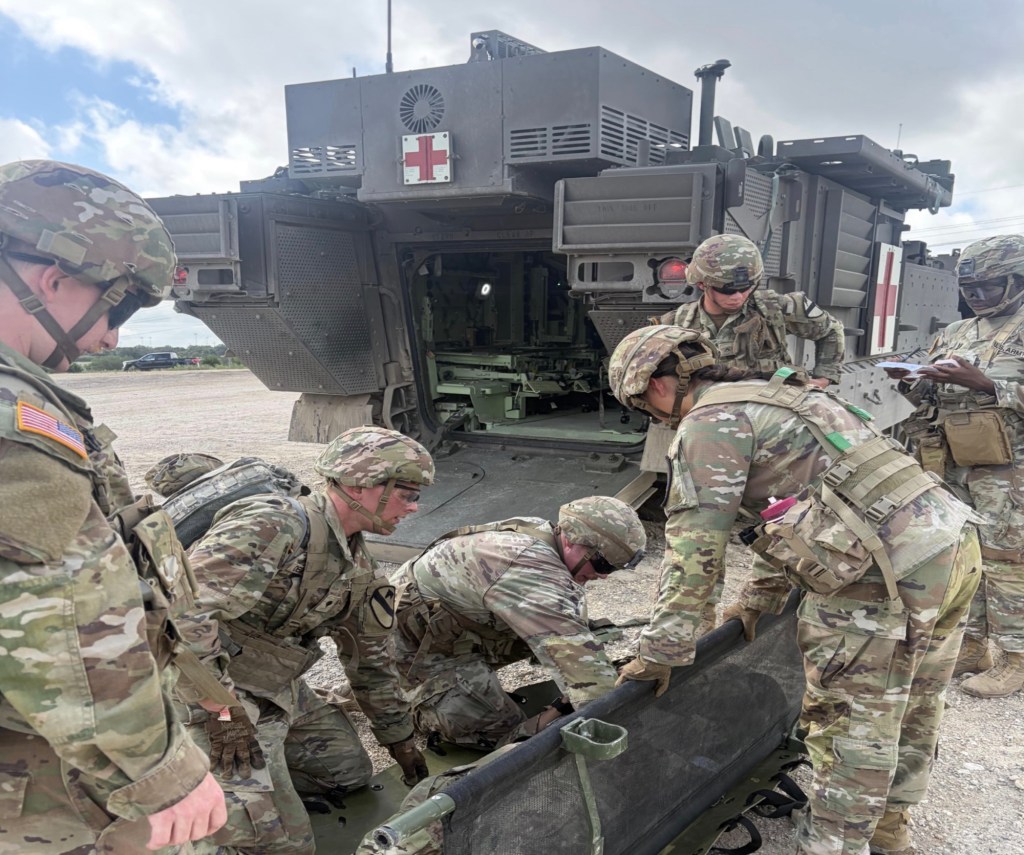
How To Train Your Medics Every Week: Escaping the Motor Pool
How to start training medics every week in your unit, for Senior Medics and PAs.
-
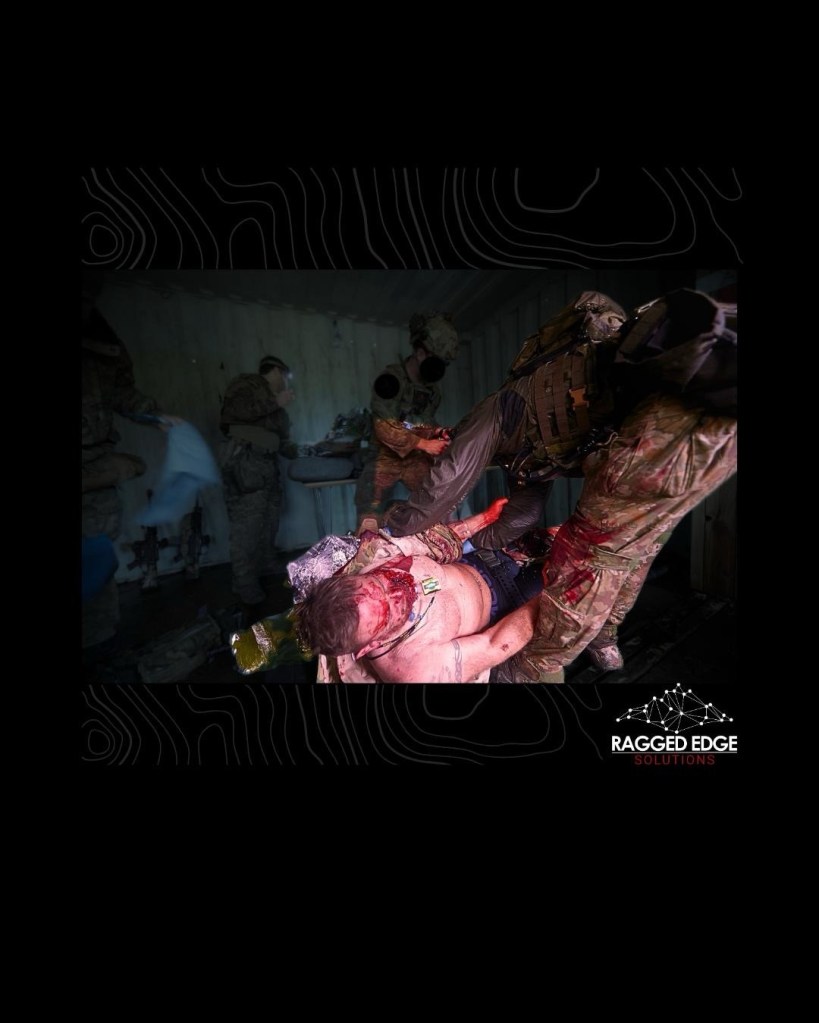
Guide to running Prolonged Casualty Care Training by Ragged Edge
Ragged Edge guide to designing and running a prolonged casualty care exercise at the unit level.
-
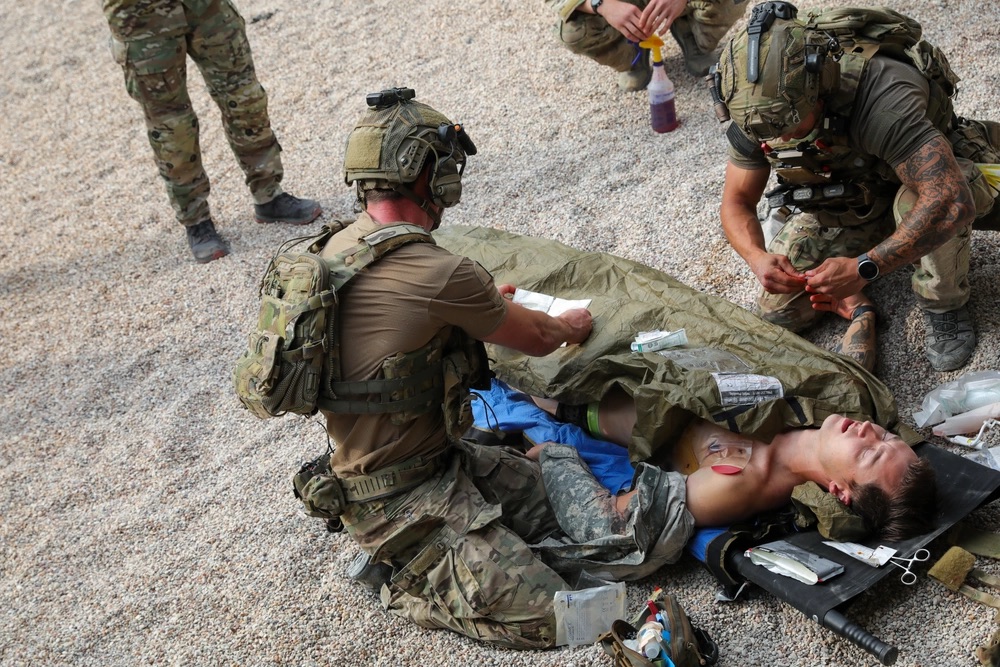
Enhancing TCCC through Optimized Simulation
A guide on how to teach better TCCC and run trauma lanes through designing patients, scenarios and providing feedback.
-
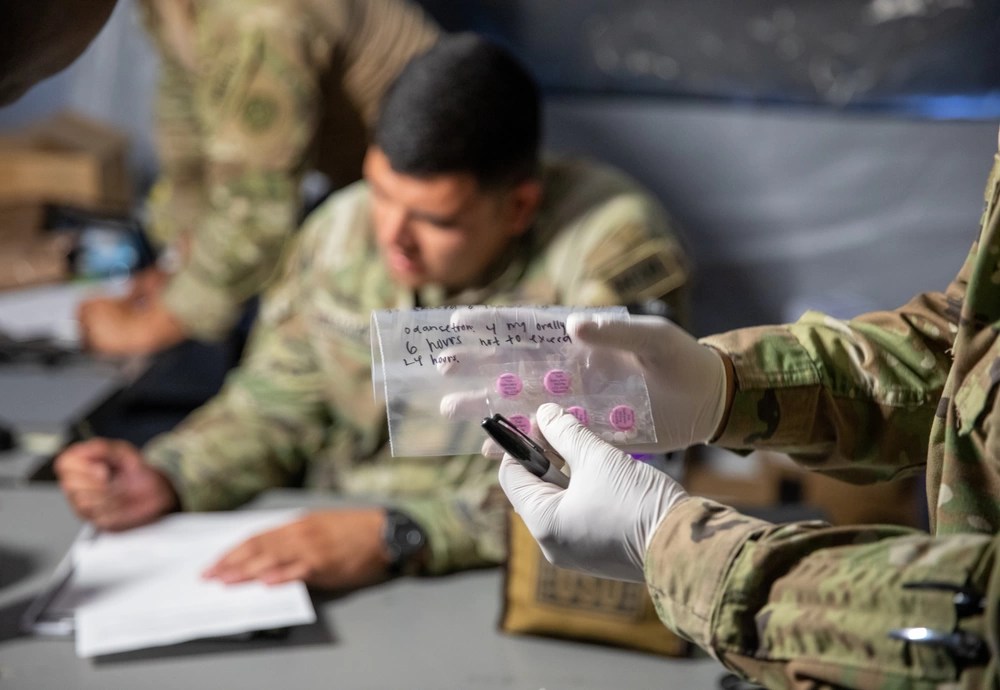
Enabling Medics to manage Sick Call
Guide for PA’s and Senior Medics on improving Sick Call operations within their unit.
-
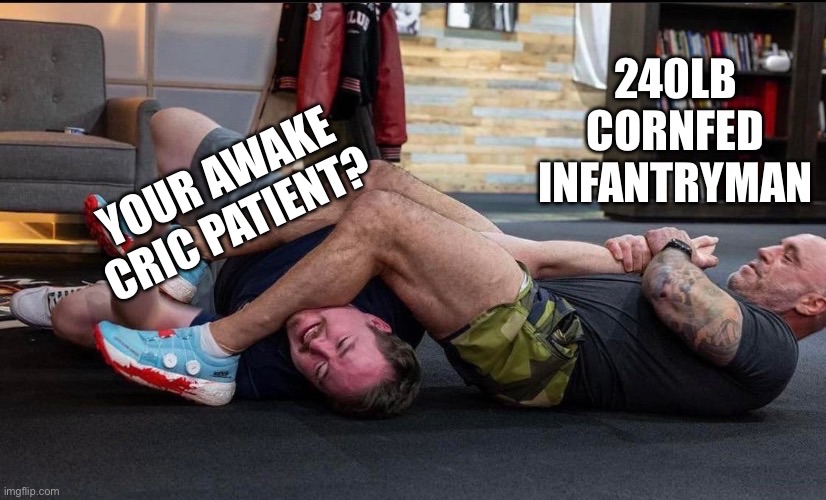
Cricothyroidotomy Training Guide for Military Medics: Ragged Edge of the Scalpel
Cric Training Guide for Military Medics and their Instructors
-
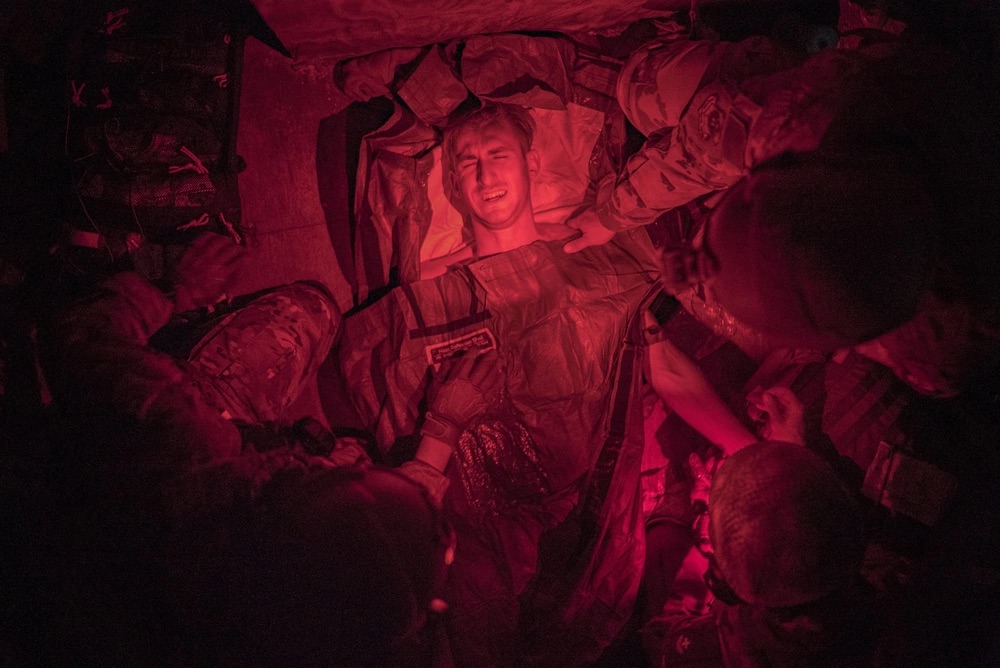
Treating TBI from the Aid Bag
A medics guide to treating TBI with their Aid Bag.
-
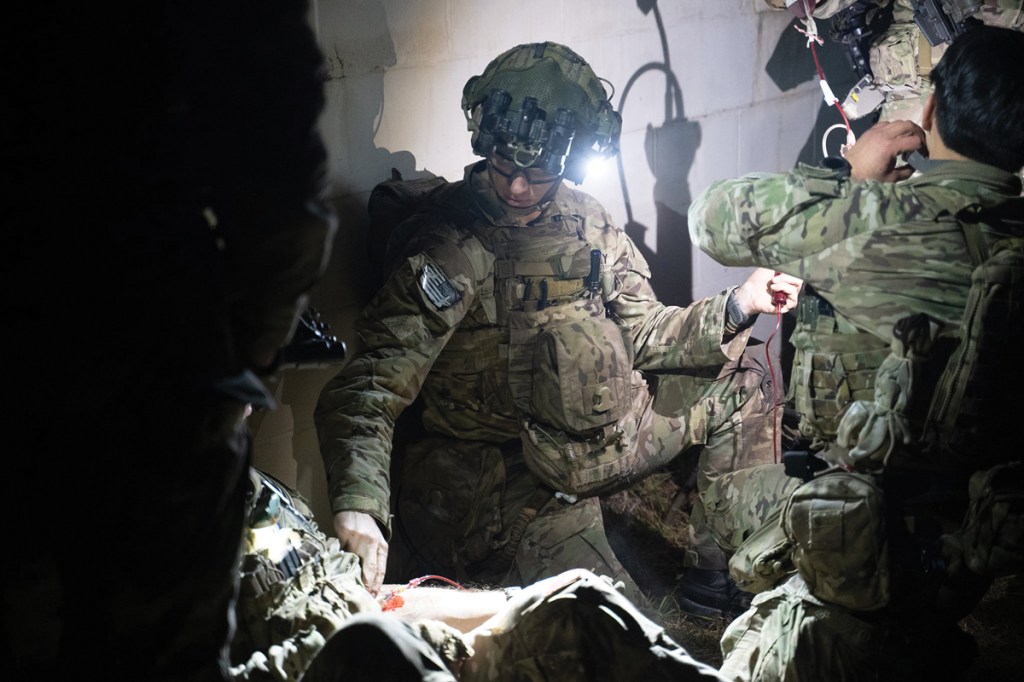
A Lost Opportunity
A must read article for TCCC Instructors on how common mistakes ruin training.
-
Discord and Google Drive!
Our Google Drive, Discord, Social media and merch
-
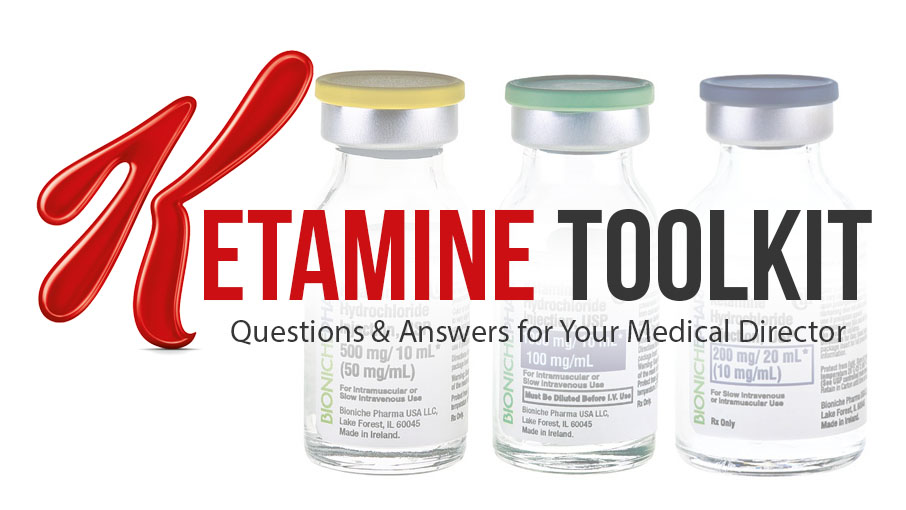
Ketamine Toolkit: Questions & Answers for your Medical Director
The goal of this page is to give the medic a resource for engaging with their battalion PA or Surgeon regarding the use of ketamine.
-
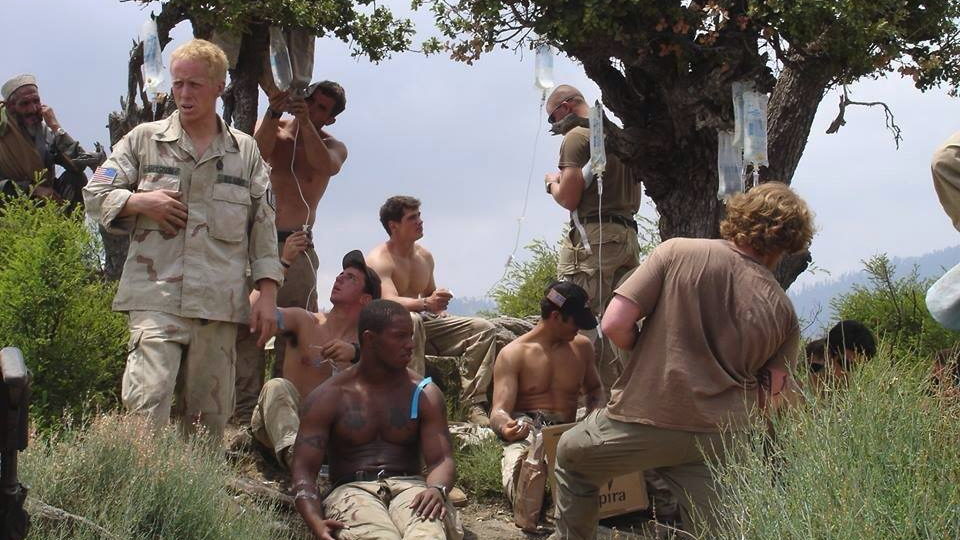
Oral or I.V. fluid for Heat Casualties and Dehydration on extended patrols?
On multiple occasions, missions have taken longer than previously thought. (Shocking, I know.) When briefed that it’s only a few hours some may take less (or even no) water on mission to ‘stay lighter’, and then the mission can end up taking days instead of hours. This is a situation the Medic going…
-
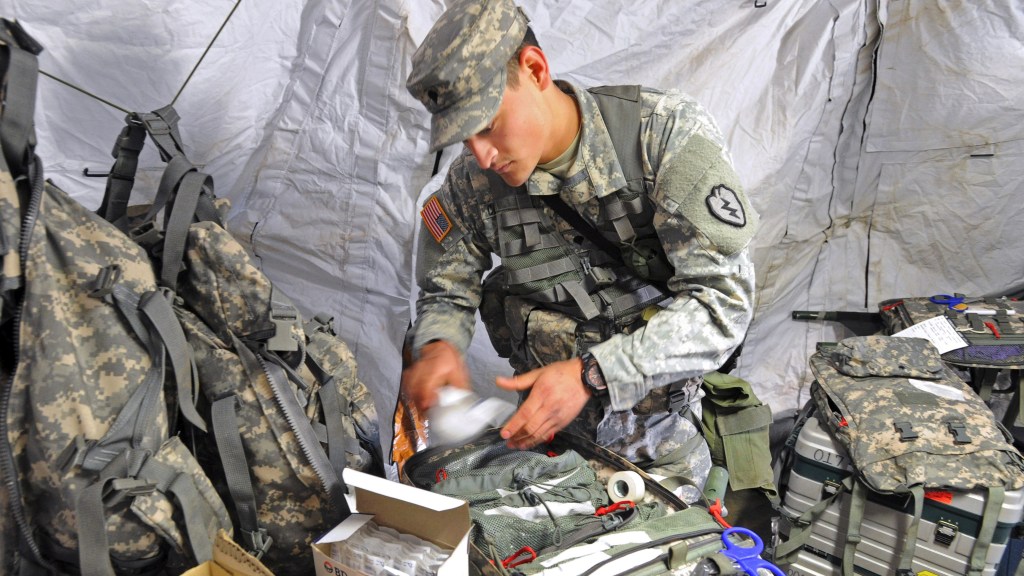
4 Things You Should Do Before You Pack an Aid Bag
One of the most common questions we get on the Facebook page goes something like this: I’m getting ready to deploy soon. What should I pack in my aid bag? The answer is, as usual in medicine, “it depends”. There are many factors which play into what you carry in your aid bag. Here are…
-
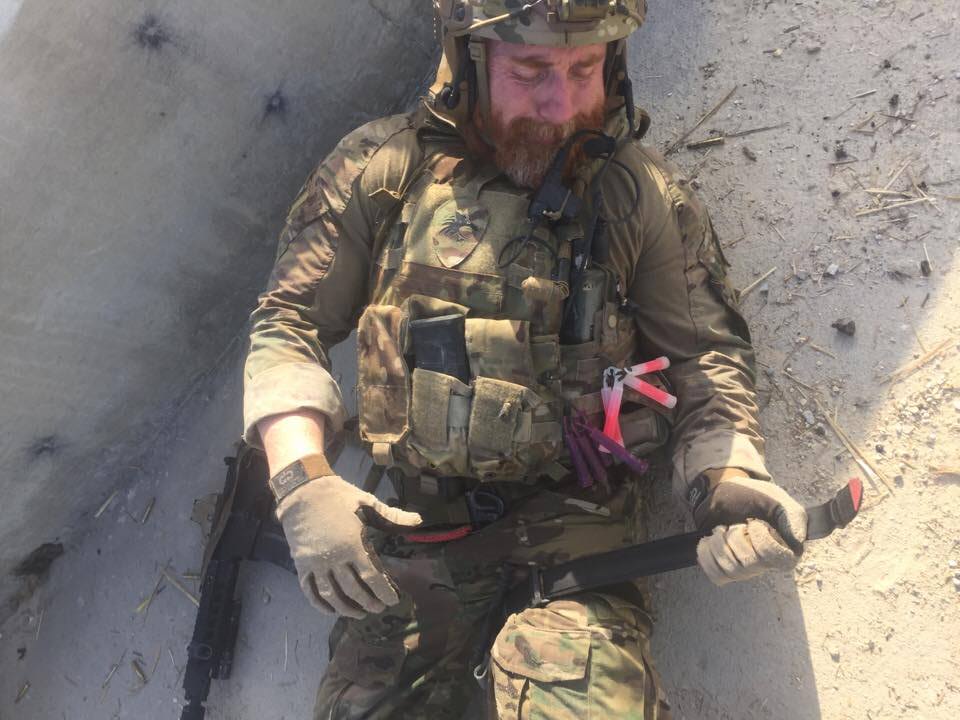
Tourniquets Hurt: Training, Pain, and Compartment Syndrome
Tourniquets HURT, even if applied correctly. 1.) How do you handle a patient that loosens/removes their tourniquet due to pain? This is common, especially with our host nation partners that don’t understand what we are doing, and even our guys do it, too. (You keep a tourniquet on for 30-45+ minutes and…
-
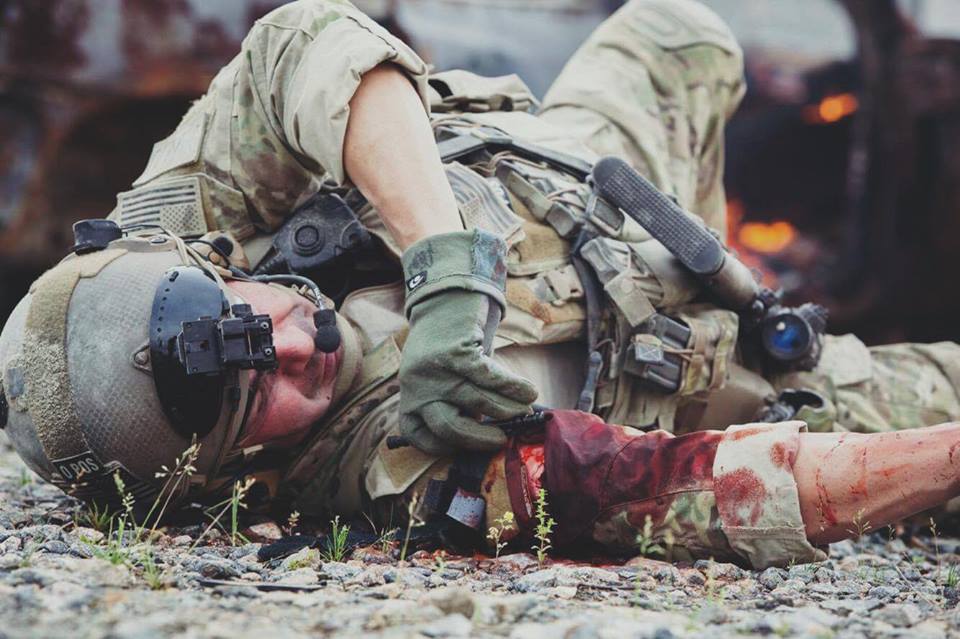
Tourniquet Slack: Pulling tight is more important than the windlass
You keep twisting the windlass on your tourniquet, 5,6,7…11 times and you’re still bleeding… What is going on during the worst day of your life?! A portion of literature on tourniquets has recognized failure with slack. This means operators are twisting the windlass before pulling as much slack as they can through the friction…
-
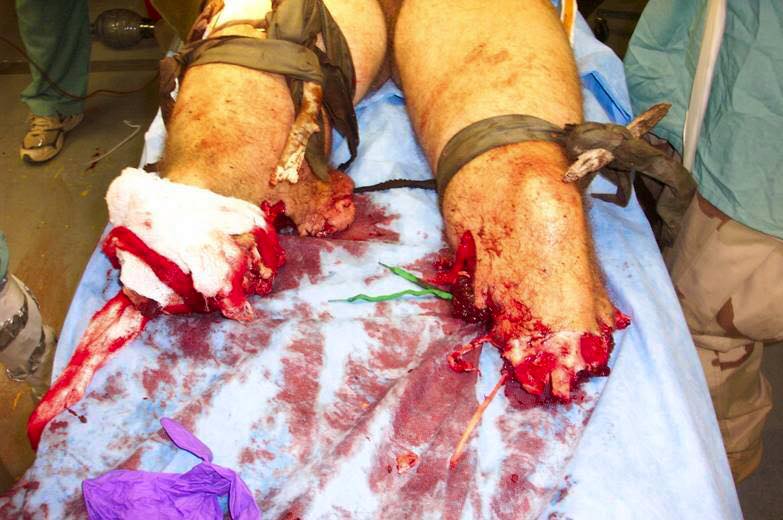
Sticks And Rags – Are improvised tourniquets a dying skill?
How do you teach Improvised Tourniquets(TQ), if at all? & 2. When is the last time you truly practiced/taught “sticks and rags?” While recognizing that commercial CoTCCC approved tourniquets ( CAT + SOFT-TW) are superior,and improvised tourniquets have a staggeringly…
-

Alternative Hydration Options
Replacing fluids during resuscitation whilst working in a remote clinic can be challenging. The best option, of course, is whole blood followed by various intravenous solutions. Few remote locations have whole blood outside of the walking blood bank option which is still a hot top in the industry and unfortunately, not widely accepted. Once you…
-
Treating Diarrhea in a Remote Environment
One of the top killers worldwide is dehydration from diarrhea which counts for hundreds of thousands of deaths each year. Diarrhea and pneumonia are still causing 1.5 million deaths each year. During the Tropical Medicine and Infectious Diseases in an International Military Context conference, last week held in Hamburg, Germany one of the more interesting…
-
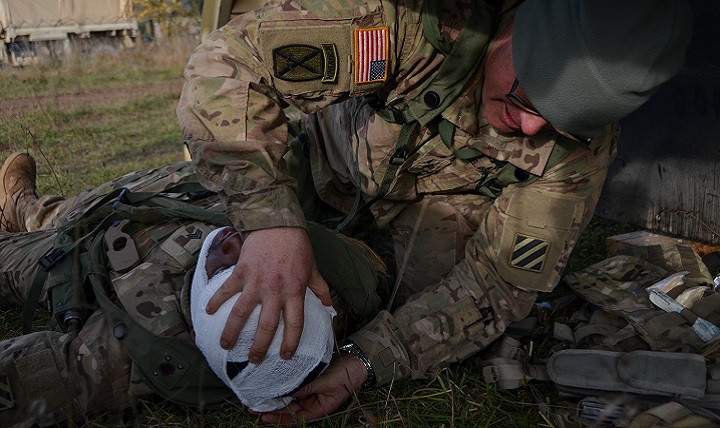
Neurological Assessment
There are many reasons and many ways to perform a neuro exam. Whether one of your Soldiers was hit by an explosion or experienced an emergency while diving, a thorough neurological assessment is indicated. At very least, a solid neuro exam will establish a baseline from which you can trend recovery. This post was based…
-
Biology Resources
Biology plays an important role in the understanding of complex forms of life. Understanding these intricate details of life helps individuals make more informed decisions about the health of their Soldiers and their own health. Biology helps us understand the big picture of life and how organisms function. By studying biology, students learn to make more…
-

Podcast Recommendations
Podcasts are a great free resource you can download with wifi then listen to later offline, while driving or during downtime. You can also make them unit training by having your company medics listen to an episode on their own time and then you all have a discussion or do a practical application the next…
-
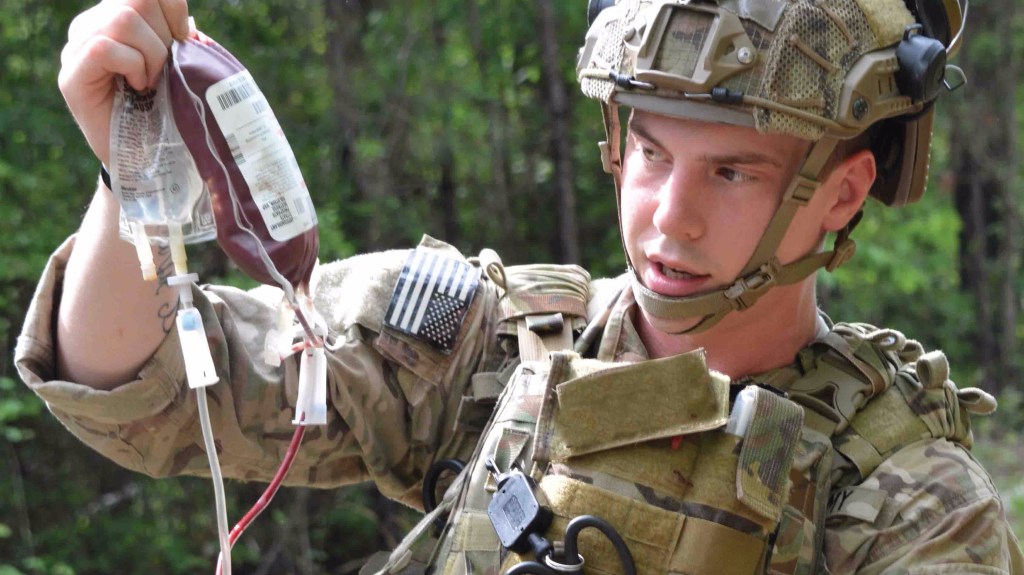
Blood Transfusions, Reactions, and More
This article was last reviewed in December 2018 and is based on research available at that time. We will attempt to update this page as new evidence and best practice becomes available. “Colloids and Crystalloids don’t carry oxygen or clotting factors. As Combat Medics we stop hemorrhaging, so it only makes sense to replace the…
-
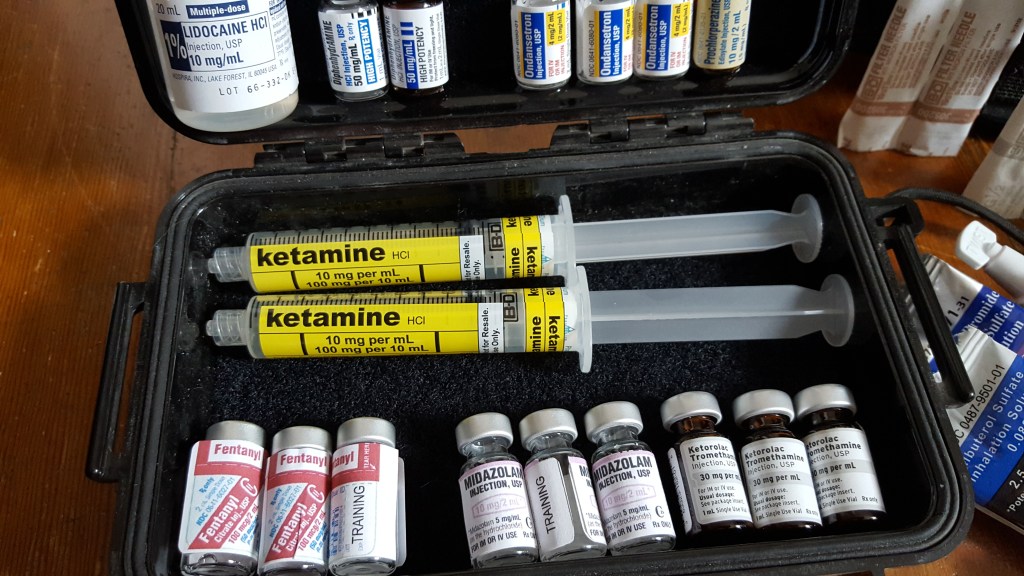
Pharmacology Resources
Videos This playlist from the University of Hawai’i’s Maui College covers a basic intro to pharmacology skip to videos 3-5 to get right into it. Books There are few, if any, free online pharmacology textbooks. Here are some top recommendations for textbooks to purchase. Lippincott Illustrated Reviews: Pharmacology 6th edition ($50) Bertram Katzung’s Basic And…
-
Anatomy & Physiology Resources
Anatomy & Physiology is the beginning to the ‘why’ behind why we do what we do. You need to understand how things truly work before you understand how they go wrong. A&P makes a Clinician better, and opens the doors for further learning and understanding.” First, we recommend every medical professional take an Anatomy &…
-
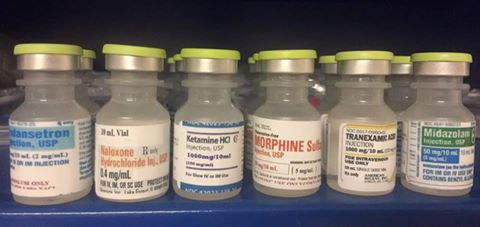
Pharmacology List – SOCM
During Special Operations Combat Medic school you have just a few days to memorize this list while learning other concepts. Fortunately for you reading, you have longer than that. This is a decent non-trauma medical list to be familiar with for a new medic, it’s surely not all inclusive and some of…
Follow Our Instagram and check out our recent posts below:
-
Oral or I.V. fluid for Heat Casualties and Dehydration on extended patrols?
-
4 Things You Should Do Before You Pack an Aid Bag
-
Tourniquets Hurt: Training, Pain, and Compartment Syndrome
-
Tourniquet Slack: Pulling tight is more important than the windlass
-
Sticks And Rags – Are improvised tourniquets a dying skill?
-
Alternative Hydration Options
-
Treating Diarrhea in a Remote Environment
-
Neurological Assessment
-
Biology Resources
-
Podcast Recommendations

