
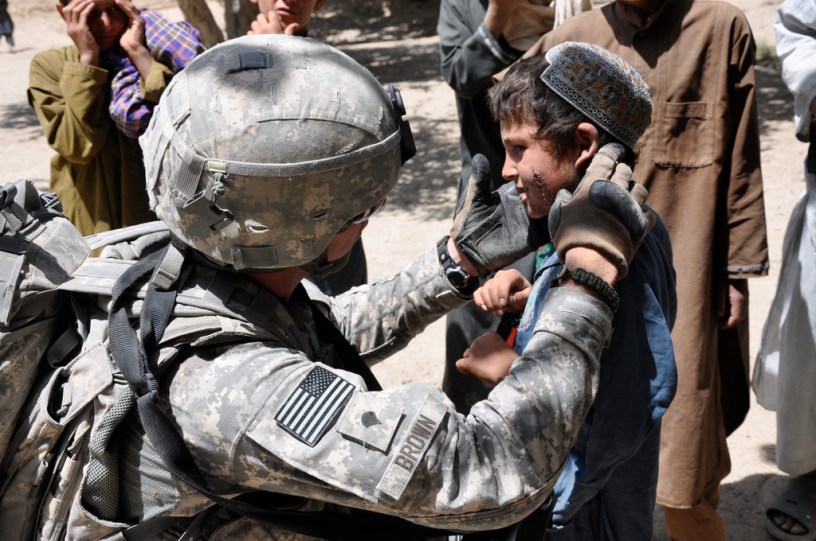
Case studies are important tools that allow in-depth, multi-faceted exploration of complex issues in their real-life settings. The illustrative ‘grand round’, ‘case report’ and ‘case series’ have a long tradition in clinical practice and research. Whether it’s lessons from the battlefield or reports from a far-flung clinic, we want to hear what you’ve collected! Send us a message on Facebook and tell us your story!
Recent Case Studies
 14 Medical Lessons Learned from The Battle of the Black Sea that are Still True Today - Medical lessons learned have a habit of fading from memory as wars draw to a conclusion. Valuable knowledge can be lost if these hard earned lessons aren’t passed down to new providers. Below are 14 lessons learned from the 1992 battle which occurred in Mogadishu, Somalia, known today as the Battle of the Black Sea. […]
 Alternative Hydration Options - Replacing fluids during resuscitation whilst working in a remote clinic can be challenging. The best option, of course, is whole blood followed by various intravenous solutions. Few remote locations have whole blood outside of the walking blood bank option which is still a hot top in the industry and unfortunately, not widely accepted. Once you […]
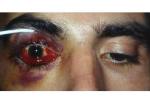 Scenario: Eye trauma with worsening vision - A 35-year-old active duty male presents with sudden onset of pain and decreased vision of the right eye, after he was in an altercation (but you can also see this in blast injuries or other objects hitting in this area.)
 Blood Transfusions, Reactions, and More - This article was last reviewed in December 2018 and is based on research available at that time. We will attempt to update this page as new evidence and best practice becomes available. “Colloids and Crystalloids don’t carry oxygen or clotting factors. As Combat Medics we stop hemorrhaging, so it only makes sense to replace the […]
 Chemical Agent Casualty Recognition Simplified - Recognition of exposure is the first step in the management of casualties exposed to chemical agents. As rapid recognition is essential for rapid implementation of appropriate therapy, cognitive processes to streamline presumptive diagnosis need to be considered.
 Expired Meds: CAN You Use Them? - Scenario: You’re out in the field when an NCO approaches you about spraining his ankle during one of the last movements through some rough terrain. “It’s not that bad,” he tells you, “I just want some ibuprofen for the pain. Can you help me out?” You reach into your bag and pull out your favorite […]
 High and Sick: Altitude Illness - Note: types and dosages of medication used to treat altitude illness will be determined by your organization’s guidelines as authorized by your physician oversight. While this article does list medication doses, refer to your local treatment protocols for all care. You and your team are conducting patrol operations on Mount Rainier (14,411 ft summit), a […]
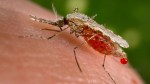 Malaria: A Scientific Introduction - In 2018, malaria-infected an estimated 228 million people, killing over 400,000, disproportionately affecting the young and the poor (World Health Organization, 2019). Malaria is endemic to tropical and subtropical regions of the world, including parts of sub-Saharan Africa, Southeast Asia, and Central and South America (Suh, 2004). In 2003, the World Bank estimated that the […]
 Oral or I.V. fluid for Heat Casualties and Dehydration on extended patrols? - On multiple occasions, missions have taken longer than previously thought. (Shocking, I know.) When briefed that it’s only a few hours some may take less (or even no) water on mission to ‘stay lighter’, and then the mission can end up taking days instead of hours. This is a situation the Medic going […]
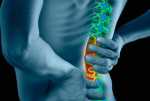 Scenario: Back Pain with Thigh Numbness - A 38-year-old active duty male presents with sudden worsening of his chronic low back pain after trying to change a vehicle tire single-handedly while you are out in the field. He states that his back pain is accompanied by severe shooting pains going down his left leg to his calf, and that he feels like […]
 Tourniquets Hurt: Training, Pain, and Compartment Syndrome - Tourniquets HURT, even if applied correctly. 1.) How do you handle a patient that loosens/removes their tourniquet due to pain? This is common, especially with our host nation partners that don’t understand what we are doing, and even our guys do it, too. (You keep a tourniquet on for 30-45+ minutes and […]
 Train With Your Food: The Chicken Thigh Abscess I&D Trainer - As we’ve previously described, medical simulation equipment, while having a place in training, can be expensive and therefore unobtainable for units with a tight budget. Not wanting to deprive medics of good training ideas simply because of money jockeys and fiscal restraints, we here at NGCM continue to scour the literature and the internet, as […]
 Treating Diarrhea in a Remote Environment - One of the top killers worldwide is dehydration from diarrhea which counts for hundreds of thousands of deaths each year. Diarrhea and pneumonia are still causing 1.5 million deaths each year. During the Tropical Medicine and Infectious Diseases in an International Military Context conference, last week held in Hamburg, Germany one of the more interesting […]
 Treating TBI from the Aid Bag - A medics guide to treating TBI with their Aid Bag.
 What if you didn’t have Ketamine as a 68W Combat Medic? - A basic guide for exposing combat medics to pain options beyond Ketamine, if they are prepared for it.
 This site is licensed under a Creative Commons Attribution-NonCommercial 4.0 International License.
 Next Generation Combat Medic